Finding language in everything
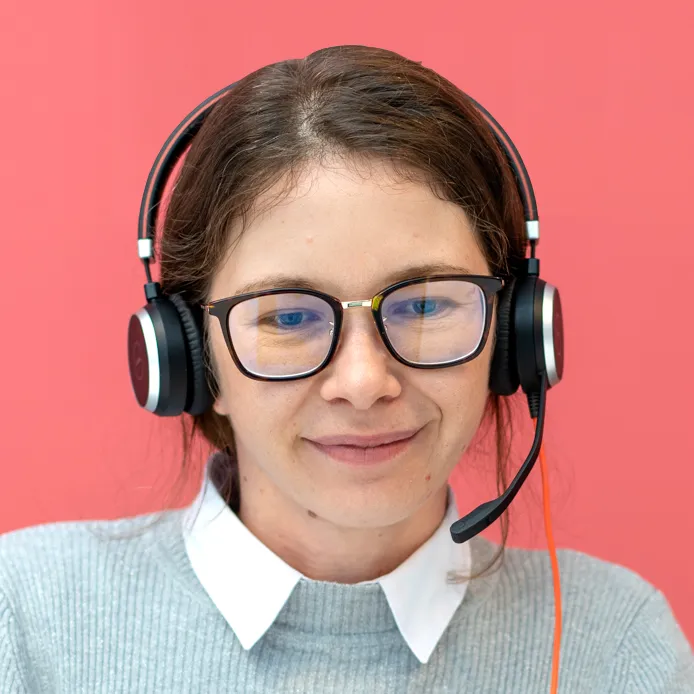
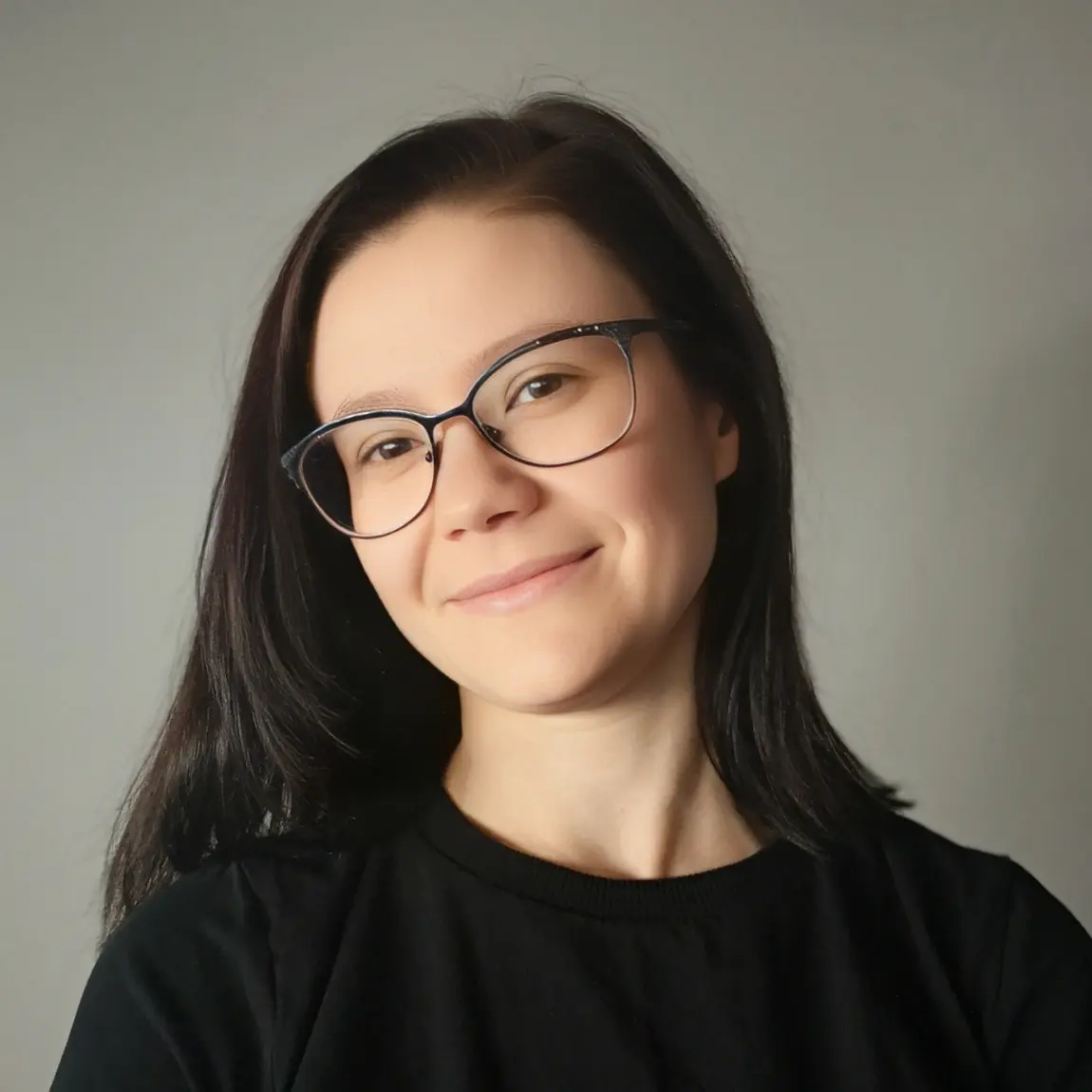
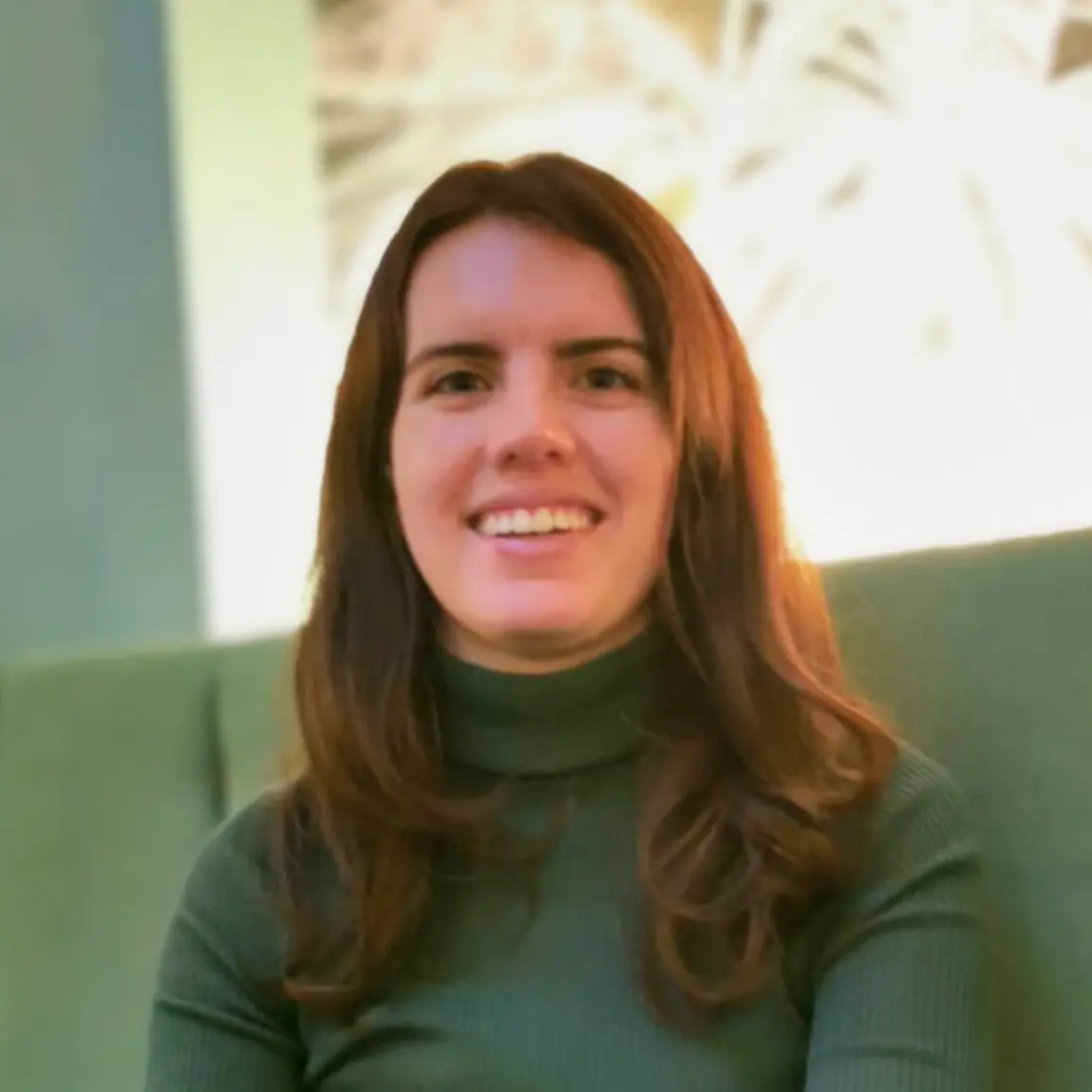
Growing up and studying in Kraków, Agnieszka built a career around languages – translating audiovisual content about animals, history, and social issues from German and English into Polish. She also handles proofreading for Polish texts and occasionally works on content marketing translations. “I’m happy because of it,” she reflects on her translation work. “I think the artificial intelligence is not good enough yet to do it better.” It’s a pragmatic view from someone who understands the nuances that machines still miss.
“I’m connected to language
all the time actually.”
Last year marked a significant shift when she moved her family – including two sons aged four and eight – from Kraków back to the Polish countryside where she grew up. The change has brought an unexpected sense of calm. Living in the countryside is notably slower than city life, she’s discovered, offering space to breathe between the detailed, analytical work of translation and the creative energy required for teaching. The move has also opened up new routines, including jogging seven or eight kilometres two or three times weekly along quiet village roads – time she uses to listen to music and podcasts whilst managing stress.
When students become teachers
Agnieszka’s teaching journey began organically during her university years in Kraków. An Erasmus student from Germany arrived for a semester – a tandem partnership where they taught each other their languages. Years later, when Agnieszka herself went to Germany for an Erasmus exchange, she found herself explaining Polish language structures to other international students learning the language. These informal teaching moments revealed something unexpected: she genuinely enjoyed breaking down her native language for others.
By this time, she’d already earned a bachelor’s degree in Polish philology, so the pieces naturally fell into place. Teaching Polish as a profession began to make sense – not as a replacement for translation work, but as a complement to it. The combination suits her personality perfectly: translation demands meticulous attention to detail and analytical thinking, whilst teaching allows space for creativity in developing materials and designing lessons. It’s a balance she didn’t know she needed until she found it.
Bread, board games, and life beyond teaching
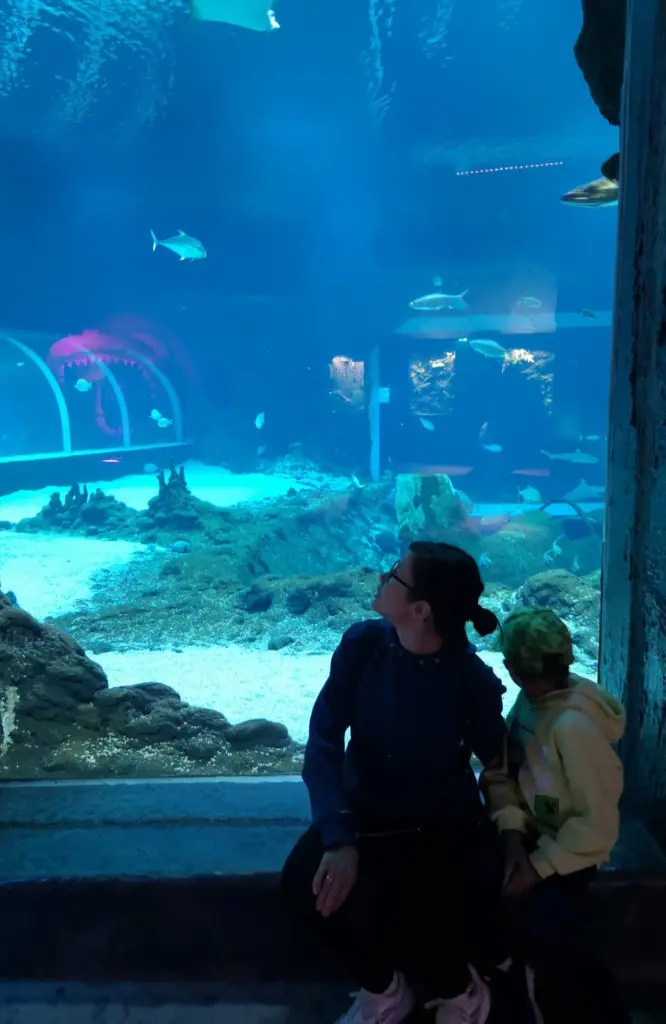
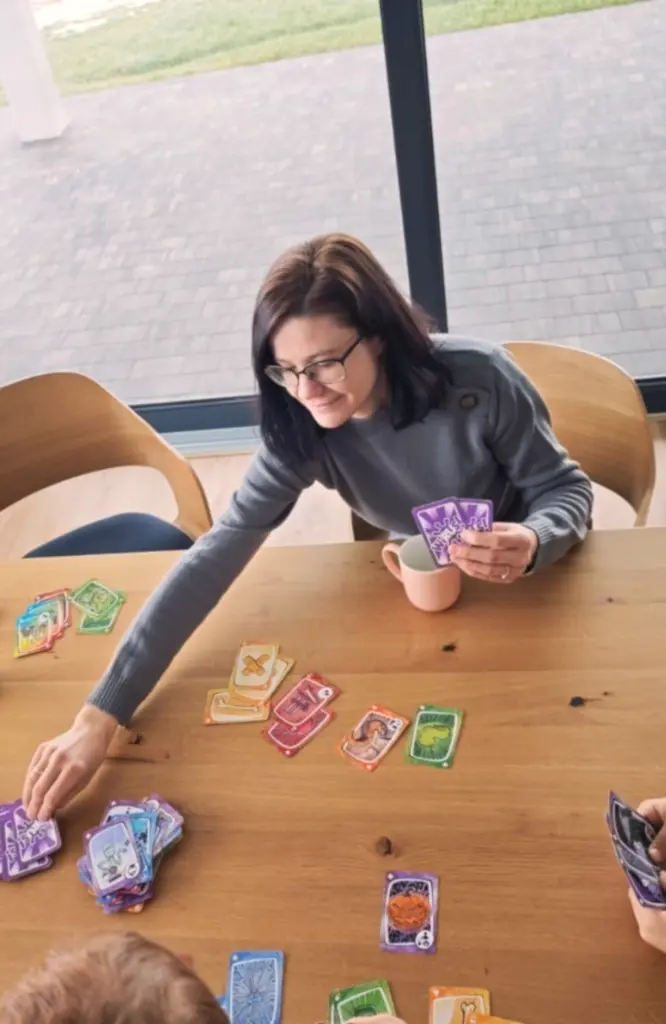
Family life centres around her two boys, with weekends often spent visiting Polish zoos, playing board games, or exploring different regions of the country. In the kitchen, she bakes bread for the family – a hobby she’s pursued for several years now, following bread-making experts on Instagram for tips and inspiration. She and her sons also make homemade sweets and pizza together, though she admits pierogi – whilst beloved – takes considerable time to prepare properly. Bigos, a traditional Polish hunter’s stew, ranks among her favourite dishes to cook.
“Since I have children, two sons, four and eight years, we spend a lot of our free time with them. So usually travelling to Poland, visiting zoos, playing board games and so on.”
Beyond Polish, she’s teaching herself Dutch – attracted by its position between English and German – and knows some Spanish. Music plays a constant role in her life, though her tastes skew decidedly away from trendy pop. She gravitates toward artists her parents listened to: Grzegorz Turnau, Zbigniew Wodecki, Grzegorz Ciechowski. Their lyrics and atmosphere speak to her in ways contemporary music doesn’t, though she’s quick to note this is purely personal preference. When learning a language, she believes, the crucial thing is finding music that appeals to you personally – something you’ll keep listening to even when you don’t understand every word.
The logic hidden in complexity
Her teaching philosophy centres on two elements: systematic practice and genuine enthusiasm. She encourages students to engage with Polish beyond the classroom – listening to original Polish songs or news broadcasts, even if they only understand a handful of words initially. These small victories matter enormously: understanding a few words here, successfully expressing a simple idea there. Celebrating these incremental successes keeps students motivated through Polish’s notorious complexity.
The moments she treasures most aren’t dramatic breakthroughs but quieter discoveries – when students realise that Polish, despite its many exceptions, varied endings, and complicated grammar rules, actually contains considerable logic and clear patterns. It’s learnable, they discover, not the impossible tangle it first appeared to be. This revelation transforms students’ relationships with the language, shifting from intimidation to curiosity. She adapts her approach depending on each group’s needs: some students crave conversation over grammar drills, so she creates space for that. Others need more structured support, so she asks guiding questions and lets them speak at their own pace.
Already know some Polish?
Take our free placement test and find your current level in just a few minutes. It’s fun, fast, and helps you understand exactly where you are – and what the next step in your learning journey might be.
Take the free test
Learning whilst teaching
What keeps Agnieszka motivated is partly the realisation that teaching Polish means constantly learning it herself. She discovers aspects of her native language she’d never consciously considered before – patterns and structures that native speakers use instinctively but rarely examine. During her studies, descriptive grammar was her favourite subject (she acknowledges this is unusual), and teaching lets her continue that analytical exploration whilst simultaneously exercising creativity in lesson design.
“Polish as a language is fascinating.
And by teaching a language,
I also continue learning it.”
Her first conversation with Maja, the school manager at Let’s Learn Polish, confirmed she’d found the right place. Maja’s commitment to teaching languages with genuine passion, combined with the school’s emphasis on developing modern methods and learning from one another’s varied experiences, creates exactly the environment Agnieszka values. Each teacher brings different approaches, and this diversity strengthens everyone’s practice. She’s still learning how to teach – each group presents different dynamics, requiring adjustments and experimentation. Some methods work brilliantly; others need rethinking. This ongoing evolution is precisely what makes teaching rewarding, keeping both the work and her connection to Polish perpetually fresh.
Teacher and student stories
Discover inspiring language journeys and see how others are learning and teaching Polish:

Dagmar | Student
At 67, family lawyer Dagmar transformed her retirement into a Polish language adventure through her love of horses and riding.

Tomasz | Teacher
From imaginary students to real breakthroughs, Tomasz brings playful energy and deep care to every Polish lesson he teaches.
Sara | Student
An Italian marketer in Austria learns Polish to connect with her partner’s family and discover the nuances lost in translation.