A multilingual foundation in the Austrian Alps
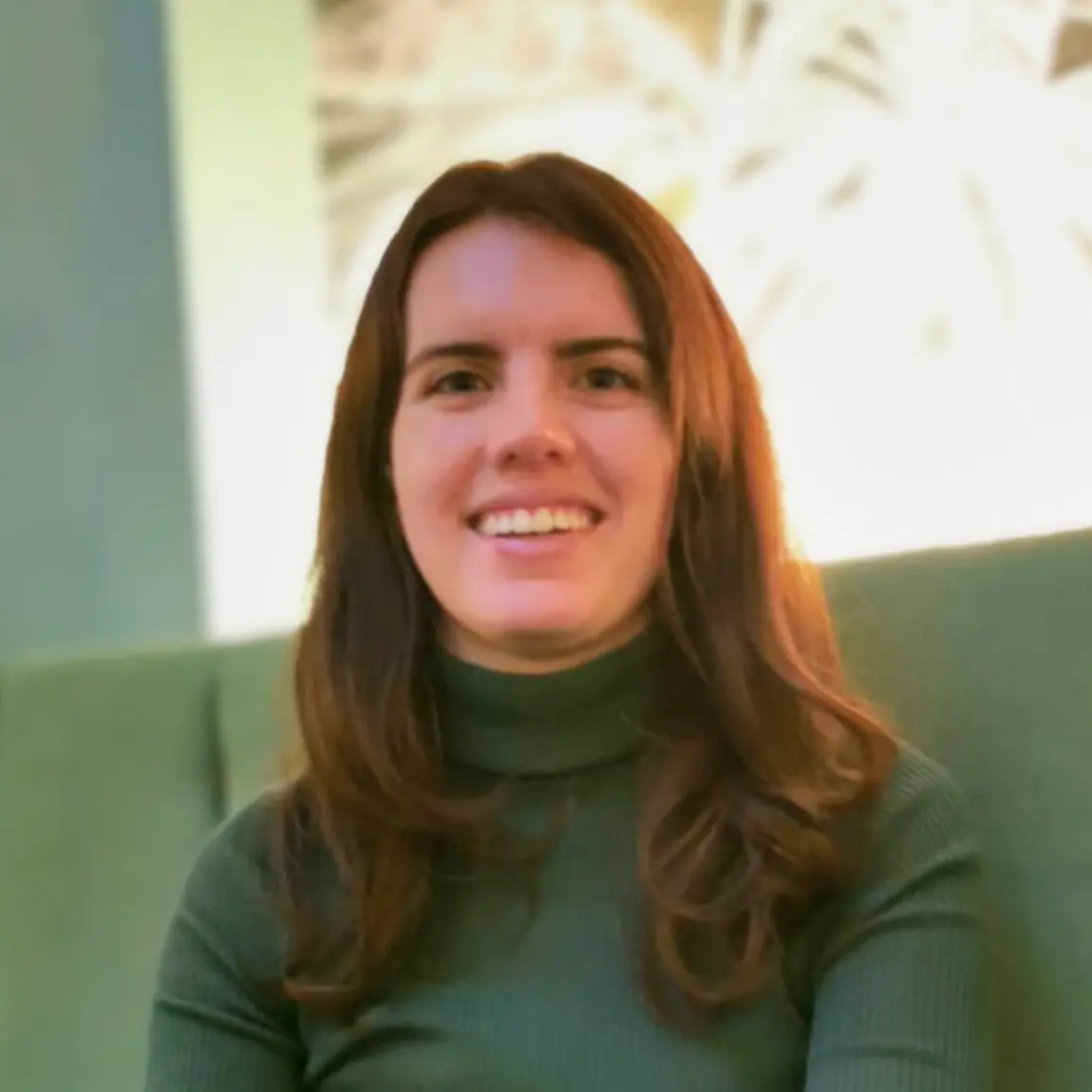
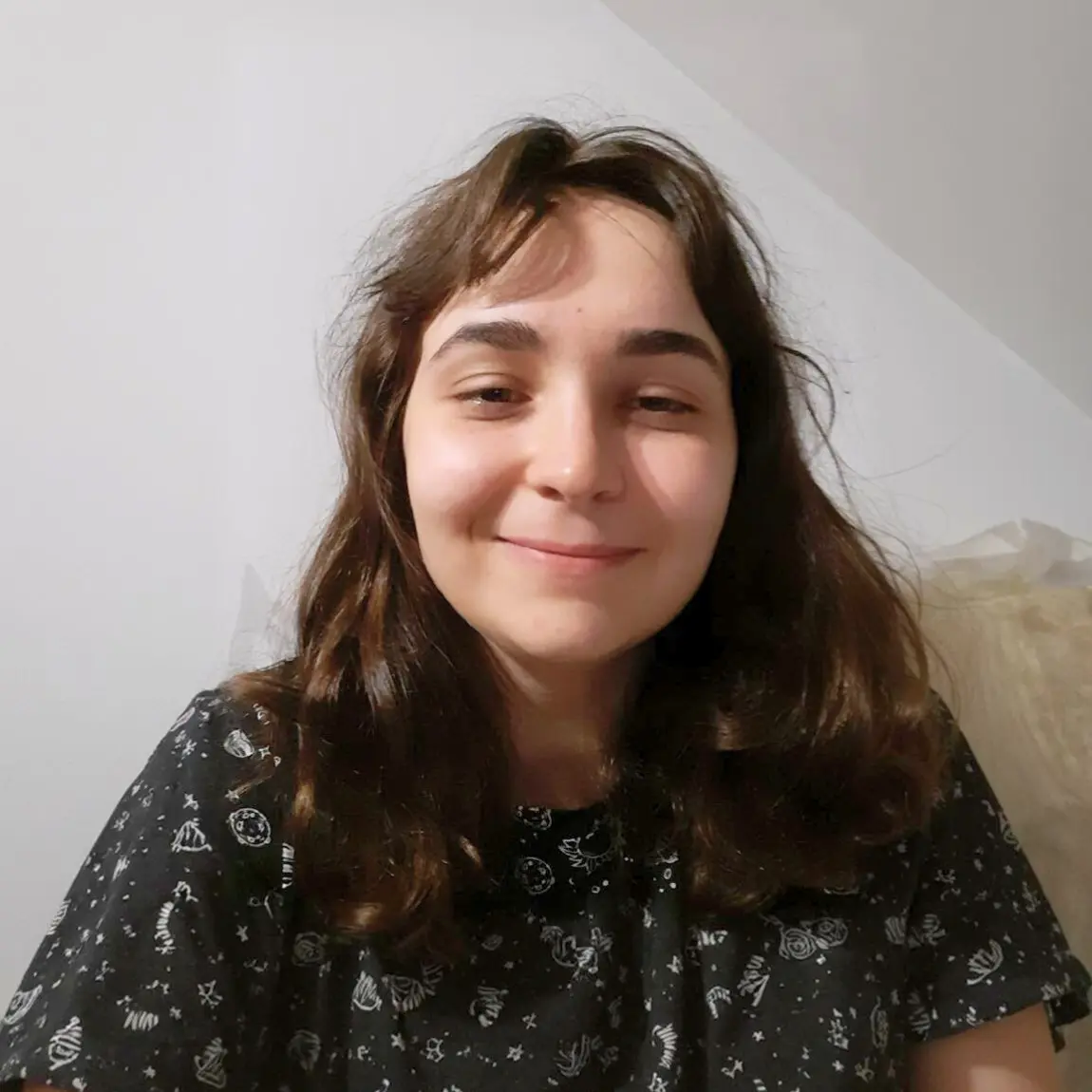
When Sara moved to Vienna eight years ago, it was meant to be a practical decision. After studying at a trilingual university in Italy – where classes rotated between German, English, and Italian – she didn’t want to lose the German she’d worked so hard to acquire. A master’s programme in Vienna seemed the perfect solution, even though the course itself was taught in English. “I couldn’t imagine moving to Vienna without knowing the language first,” she recalls. “I’d feel completely lost without knowing the basics.”
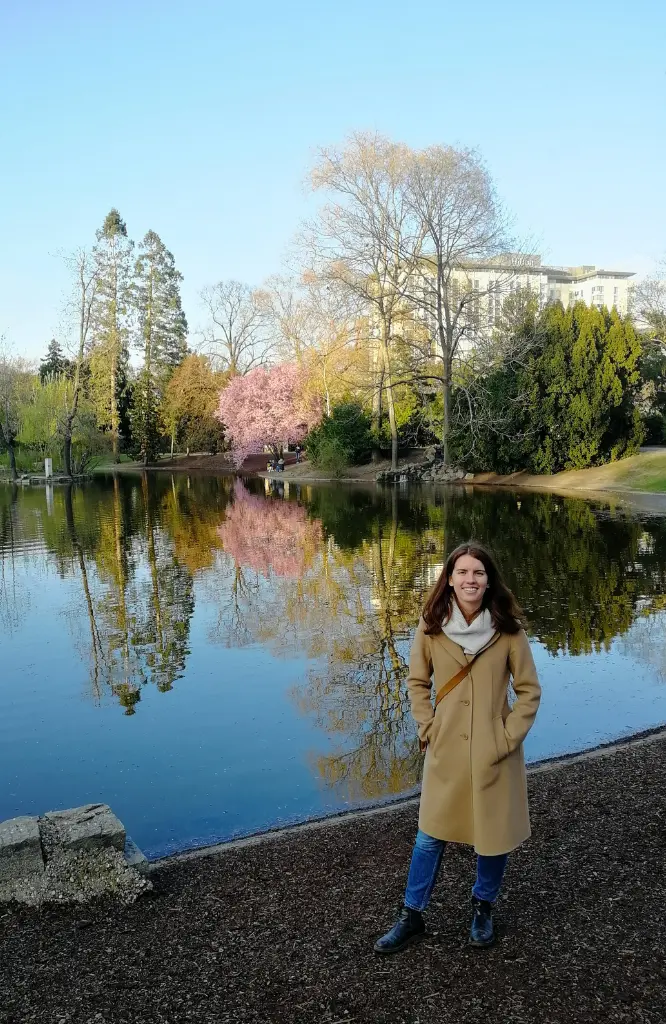
“I’d feel completely lost without knowing the basics.”
Today, the 31-year-old works in online marketing for a major Austrian ski company, managing their website and social media channels. It’s fitting work for someone who spends her winters on the slopes, though she admits the Austrian mountains are simply more convenient than returning to northern Italy. Living in Vienna has taught her to appreciate the city’s particular character – warmer than Germans, she observes, but with more structure than Italians. “They’re more relaxed and enjoy their private lives more. If they have plans with friends, they’ll say ‘I’ve finished my work because I need to go somewhere.’ I respect that.”
When Duolingo isn’t enough
Sara’s partner is Polish, someone she met years ago, and they’ve built their relationship primarily in English. It works well enough, but as anyone in an international relationship knows, something gets lost when you can’t communicate in your mother tongue. “There are so many nuances and cultural references that get lost in translation,” Sara explains. “Some expressions just don’t work in English – they make sense to us, but when you translate them, they don’t.”
The real catalyst came last year when they were invited to spend Christmas in Poland – her first Polish Christmas. She saw it as an opportunity to start learning the language properly, to communicate better with his family members. Her first exposure to Polish had been years earlier during an Erasmus stint, and her initial impression hasn’t changed much: “Polish is definitely stronger than Italian. It sounds completely different.” She laughs about how quickly Polish speakers talk. “Sometimes I think German speakers speak fast, but I hear my boyfriend on the phone and it’s like a machine. It’s crazy.” She’d tried Duolingo before her first trip to Poland, but beyond greetings, it taught her about animals rather than how to ask where the train station was. “If I wanted to study Polish properly, I really needed to learn the basics so I could build sentences from the beginning.”
Summer in Warsaw and small breakthroughs
After several weeks of lessons with Let’s Learn Polish, Sara spent a few weeks in Warsaw this summer – her first time fully immersed in a Polish-speaking environment. She could already recognise things she’d learned in class: different parts of the city, shop names, basic vocabulary. But it was the everyday context that made everything click. “These expressions we learned in class suddenly made more sense when I had to use them in daily situations,” she says.
“I could understand where the conversation was going – they were surprised I understood Polish.”
Being around her partner’s family during that trip revealed another breakthrough. Even when they spoke Polish among themselves, Sara could follow the general direction of conversations. “On my last trip to Poland, during the Christmas period, people were surprised. They’d be speaking Polish with each other, but I could still understand where the conversation was going.” She started picking up on conversational fillers and common expressions – the small linguistic details you don’t find in textbooks. “You recognise a few words, and then you notice how often they appear in sentences. Little expressions you wouldn’t learn from textbooks, but you hear them more and more.”
Learning one language through another
Taking Polish classes conducted in German – her third language – adds an extra layer of complexity to Sara’s learning journey. “There’s an additional difficulty in learning a new language in a language that’s not your mother tongue,” she admits, though her German is strong enough to follow along without problems. Still, her brain works in interesting ways. Sometimes a German explanation makes perfect sense in the moment, but when she tries to find the Italian translation, it doesn’t quite work – or isn’t as specific.
“It’s just a mix. In my head it makes sense, but if someone looks at it closely… And that’s the main part. Sometimes in English, sometimes in German, sometimes in Italian – it depends on what works faster, what works better.” The biggest challenge remains pronunciation, particularly with certain letter combinations. “I’ve reached the point where I don’t want to be embarrassed about making mistakes. I just go for it. Whether I make a mistake or not, I just go for it. It’s the best way to learn.” She’s noticed that Polish people appreciate the effort regardless, which helps overcome any self-consciousness about errors.
Free trial lesson
Curious about live learning? Join a free trial lesson and see what it’s like to learn with us. No commitment, no pressure – just a friendly session to find out if it’s the right fit for you.
Reserve your spot
Building bridges beyond English
Sara doesn’t speak Polish on a daily basis – Vienna isn’t exactly a Polish-speaking city – but she practices in small ways. After class, she’ll try out new phrases on her partner to see his reaction. “Sometimes he corrects me because I got the case wrong or it doesn’t quite work the way I imagined.” She compares notes with other couples in Vienna where one partner is Polish and learning the language, discussing their different approaches and progress.
“When we look to the future, if we want a family, I’d speak Italian and Polish to our child.”
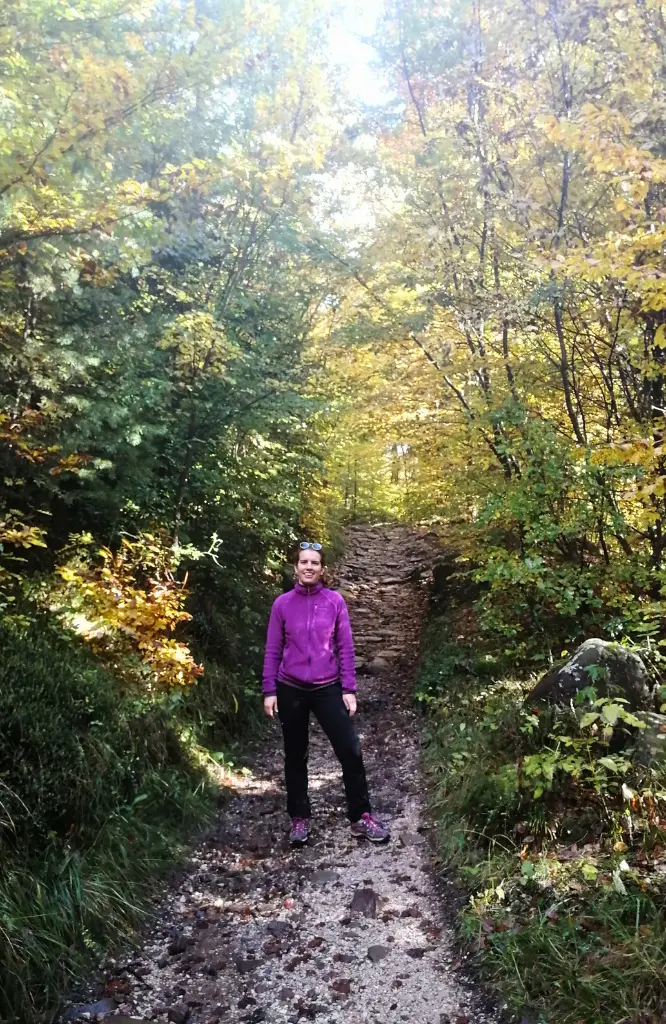
Her partner was surprised when she first started learning – he’d insisted their English was good enough, questioning why she’d put herself through it. But Sara’s thinking long-term. “When we look to the future, if we want to stay together, maybe we want a family. Of course I’d speak Italian and Polish to our child. But I think it’s important we have that foundation.” There’s also the practical matter of family communication. Her mother speaks only Italian, creating a language barrier. “I think if I can build a bridge a bit, it’s just respectful. It shows you’re investing in that relationship and in that family.” At work, she’s started recognising words when working on Polish translations for the ski company’s website, though she’s not fluent enough for technical texts about ski components just yet. The real reward comes during trips to Poland, where she no longer feels completely helpless. “I can get by. Maybe for other things I’d ask my boyfriend, but at least I can get around independently.” To anyone starting their Polish journey, she offers honest encouragement: “I admire the courage, because it’s not easy. At the beginning it will definitely be difficult. You’ll learn hundreds of pronunciations, grammar rules – you just have to learn them by heart. But all your efforts pay off when you understand a few sentences or when you can have a short conversation with a Polish person and it makes sense. It definitely pays off in the end.”
Teacher and student stories
Discover inspiring language journeys and see how others are learning and teaching Polish:

Anna | Teacher
Anna turns curiosity into connection, helping students overcome fear and speak Polish with growing confidence and joy.
Ula | Teacher
A cognitive technologies student who discovered her teaching calling through a Korean family, now helping adult learners master Polish.

Michael | Student
A Hamburg teacher discovers Polish isn’t like Norwegian – but finds the challenge worthwhile for love and cultural connection.