A scientist who always had one eye on language
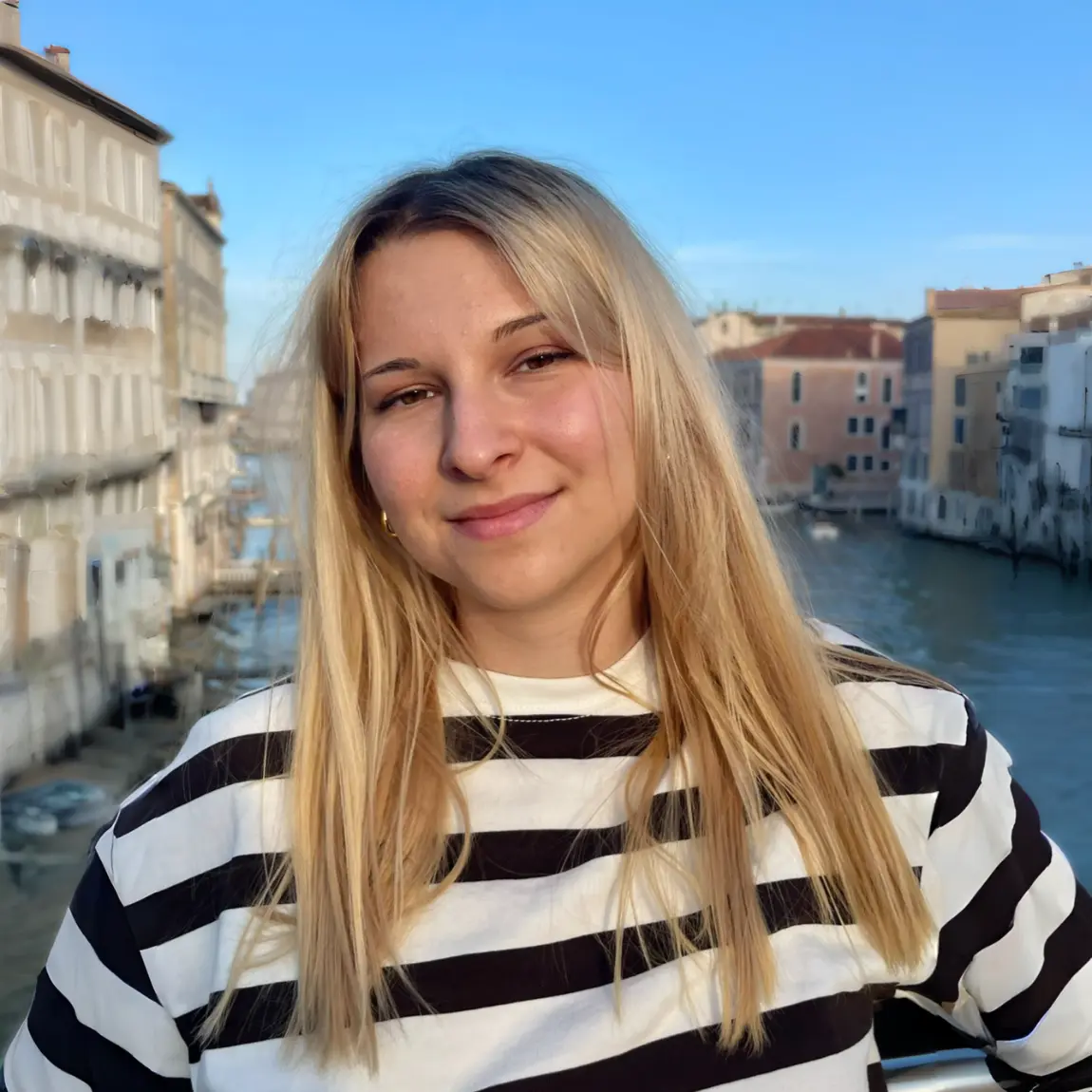
Irma grew up in Zaprešić, a small town near Zagreb, and from an early age found herself drawn equally to two things that might seem unrelated: the structures of science and the structures of language. After completing a biotechnology degree in Zagreb, she moved to Berlin to pursue a master’s in bioinformatics and biosystems engineering at a university in the nearby town of Wildau, commuting in from the city each day. She finished her degree recently and made a deliberate choice to take some time before diving fully into her scientific career – to revisit interests she had set aside.
“I thought, why not try to teach someone else? Maybe I’m good at it too.”
That pause turned out to be more than a rest. It was during this period that the idea of teaching Croatian began to take shape. Irma had always found languages compelling, not just as tools but as systems to be understood and taken apart. Teaching felt like a natural extension of something she had been quietly building for years.
Self-taught, determined, and slightly grammar-obsessed
Irma’s relationship with German began in school, but it was a week-long Erasmus exchange to Bavaria at the age of 15 that changed everything. She found herself unable to follow conversations, struggling to understand the dialect, and came home with a frustration that quickly turned into determination. What followed was close to a year of intensive daily study – grammar tables, vocabulary lists, working through it methodically after school each day. She describes herself then as genuinely passionate about it, which perhaps understates things.
Over time, the intensity gave way to something more organic. German entered her life through television series, music, and friendships with German speakers, and by the time she moved to Berlin to study – in German, for a technically demanding degree – the language had become genuinely her own. She later travelled to a small town in Italy where nobody spoke English and found she could pick up enough Italian in two days to hold real conversations. That adaptability is not accidental; it is the result of years of paying close attention to how languages are built.
Finding the pattern beneath the rule
For Irma, the best kind of teaching does not involve lecturing. She prefers to work through problems alongside her students, identifying patterns within grammar and vocabulary – the word stems that recur, the logical structures that underpin rules – and guiding students towards their own conclusions rather than simply presenting answers. The atmosphere she aims to create is relaxed and collaborative, more like working something out together than following a lesson plan from the front.
“I try not to just talk while they listen. I want us to really work together – for them to understand why something is the way it is, not just memorise that it is.”
This instinct for pattern-finding has deep roots. As a school student, Irma regularly entered Croatian language competitions and later reached the national final of a Latin competition – not because she could speak Latin, she is quick to clarify, but because she understood how to parse its grammatical logic and render it accurately into Croatian. Knowing a rule has never been quite enough for her. Understanding why it exists is what actually holds her interest.
Already know some Croatian?
Take our free placement test and find your current level in just a few minutes. It’s fun, fast, and helps you understand exactly where you are – and what the next step in your learning journey might be.
Take the free test
Goals, both large and small
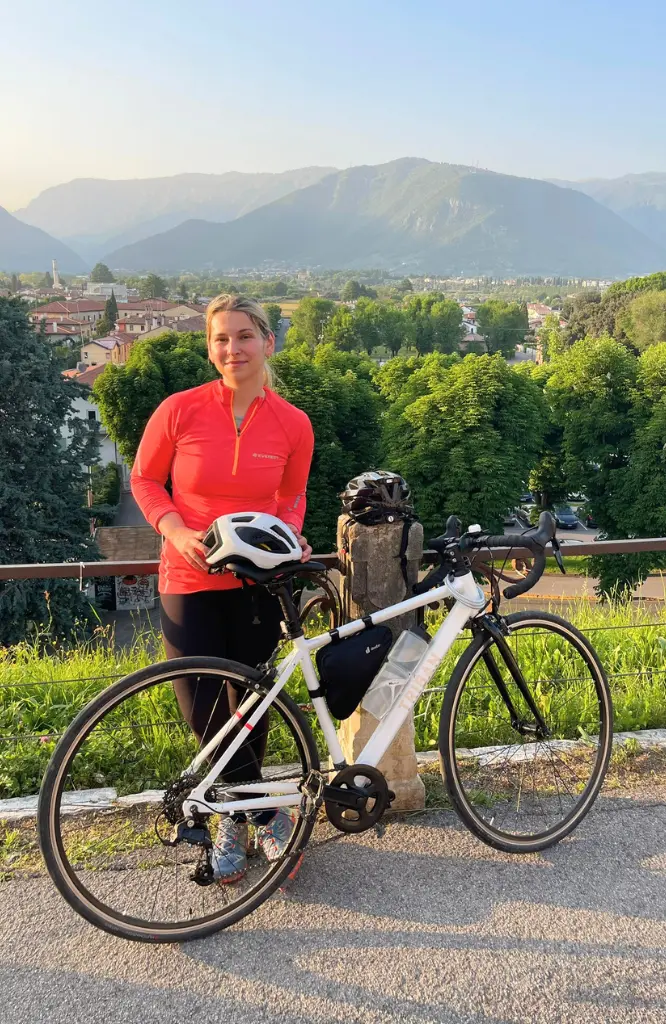
Sport takes up a significant portion of Irma’s life outside the classroom. She inline skates, goes to the gym, hikes, and has recently taken up cycling in a more committed way. A 20-kilometre ride to Brežice in Slovenia has already been ticked off, and she has her sights set on considerably longer distances. She approaches physical goals the same way she approaches language learning: by identifying a clear target and working towards it consistently. A recent milestone was managing her first pull-up, which she describes as coming with rather poor form – but, she notes, it still counts.
When she travels, she tends to throw herself in quickly and without too much hesitation. Her roots are partly Bosnian, and she will happily recommend ćevapčići and burek to anyone visiting Croatia, while cheerfully acknowledging that Croatia borrowed them from its neighbours. For something more distinctly Croatian, she points to štrukli, a baked or boiled dough dish she is clearly fond of. Her favourite part of Croatia is not the busy coastal resorts but the quieter stretches in between – particularly Tribunj, a small fishing village on the Dalmatian coast where, she says, life still moves at the pace of the sea.
Learning your own language for the first time
The moment Irma finds most rewarding in a lesson is not a dramatic breakthrough but something smaller: the point at which a concept that had been confusing begins, gradually, to make sense. She describes it as untying a knot – noticing the contrast between before and after a session, watching the shift in someone’s understanding. It reminds her, she says, of her own experience learning German: the effort, the slow accumulation of progress, the small victories that turn out to matter most.
“I learn something new about my own language every time I teach.”
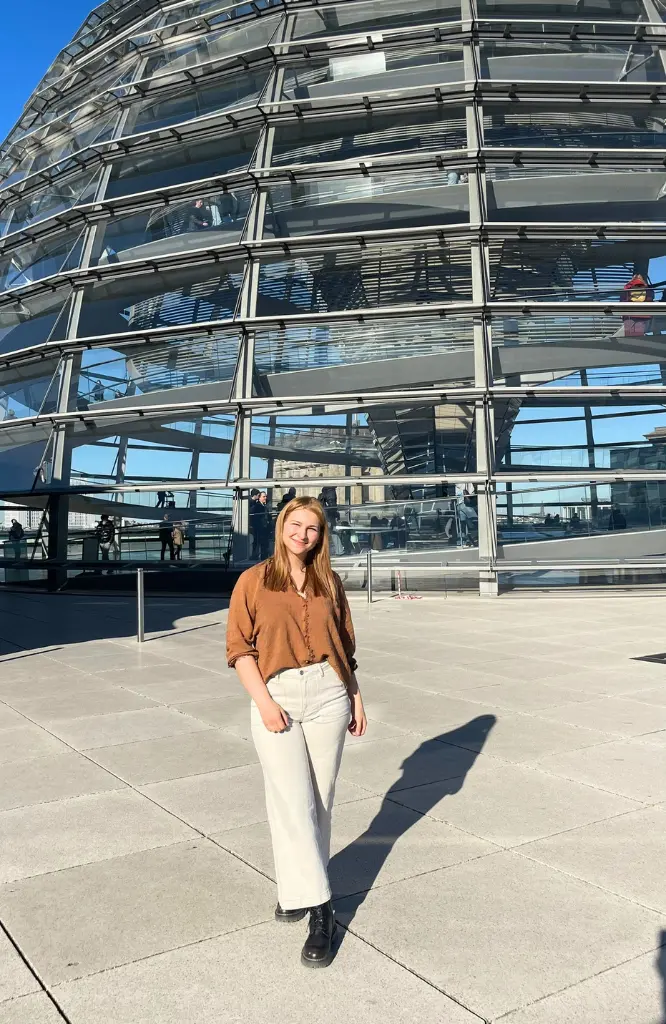
Teaching Croatian has also given her something she did not fully anticipate: the experience of encountering her own mother tongue as if for the first time. Questions that never arise when you are simply a native speaker – why a particular noun is feminine, why certain endings follow certain patterns – now come up in almost every lesson. For Irma, that ongoing discovery is not a side effect of teaching. It is one of the main reasons she keeps doing it.
Teacher and student stories
Discover inspiring language journeys and see how others are learning and teaching Croatian.
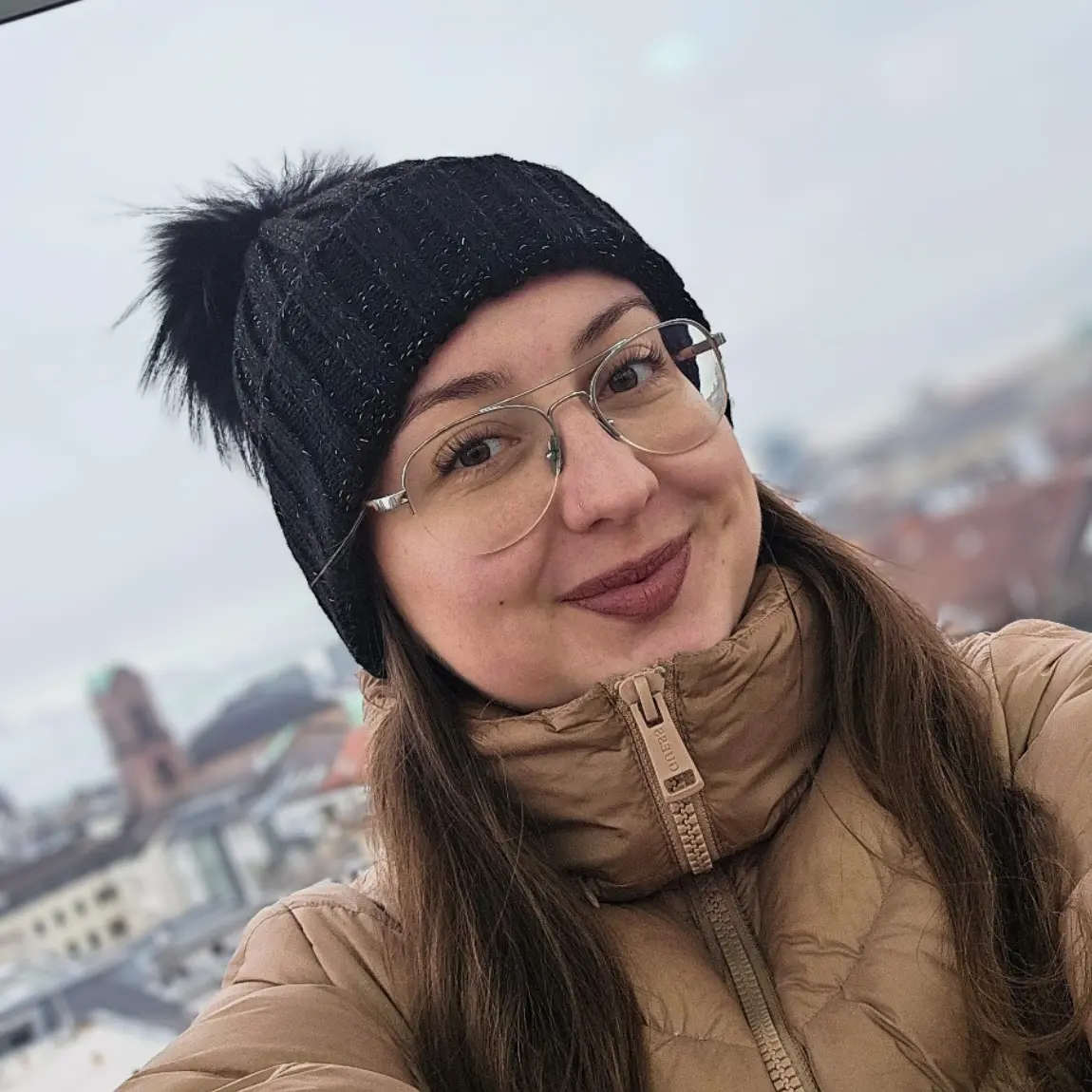
Melisa | Student
Melisa from Karlsruhe started learning Croatian for her husband – and discovered a whole world of friendships, books, and belonging.
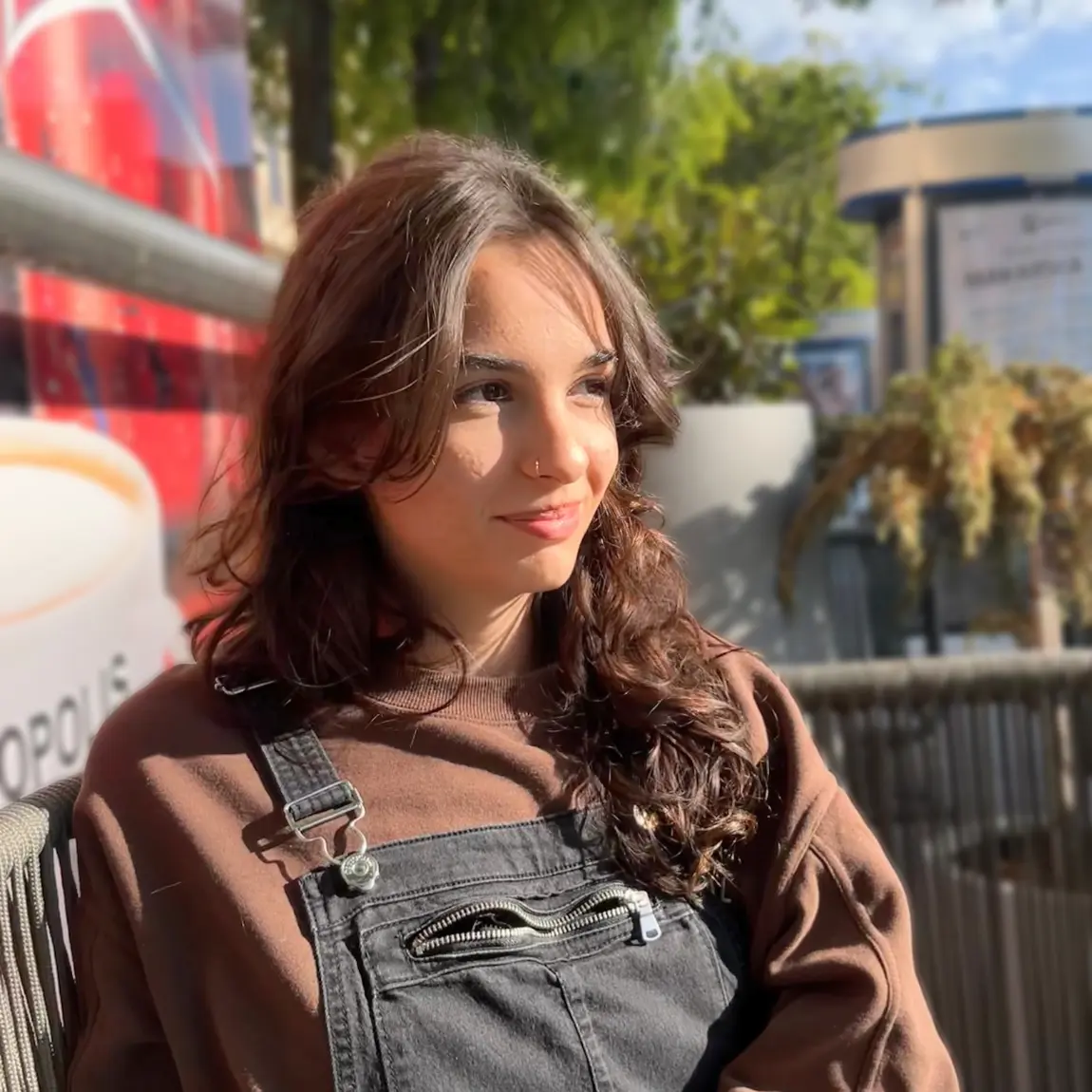
Lorena | Teacher
From the borderlands of Osijek to the online classroom, Lorena teaches Croatian with warmth, humour and a belief that everyone belongs.
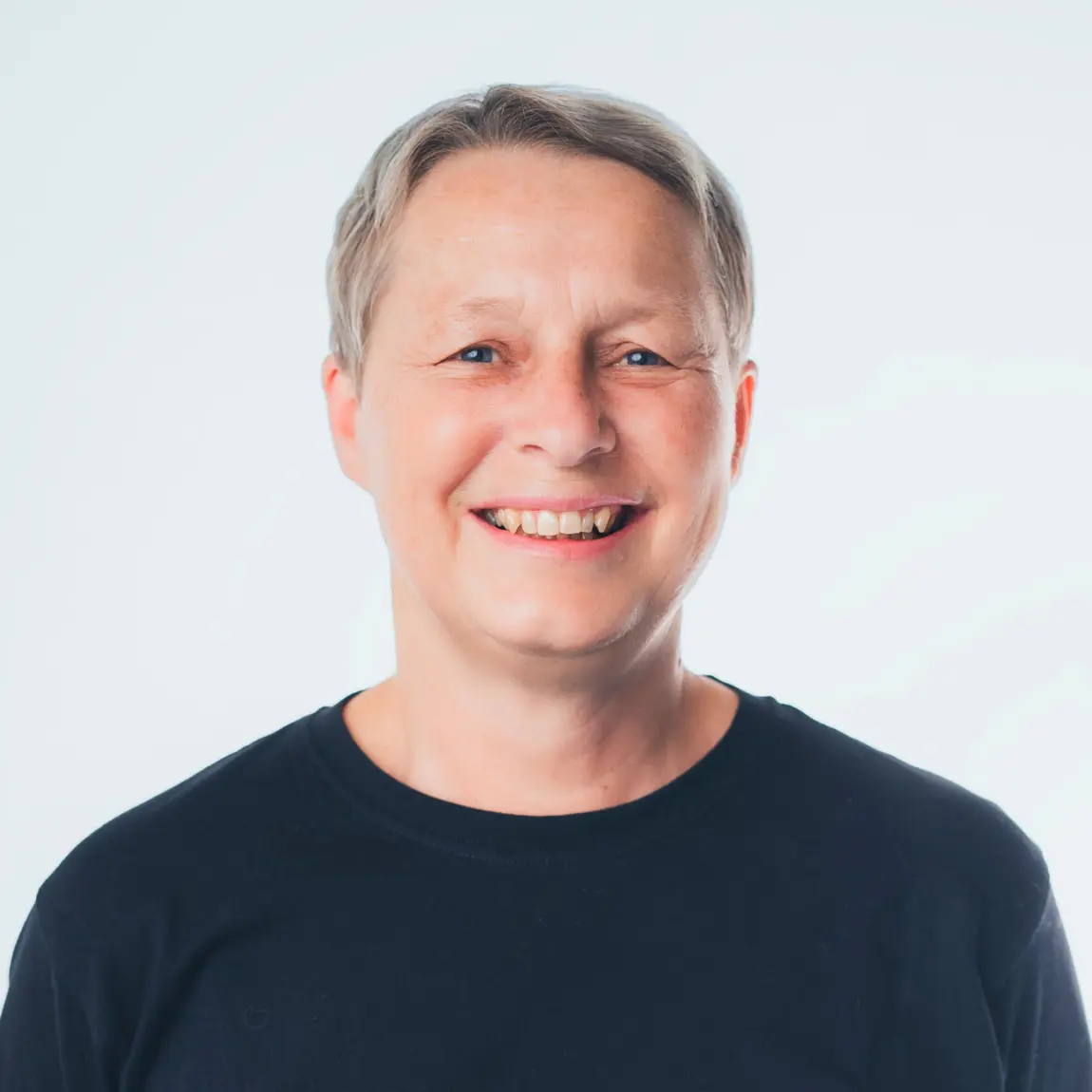
Andrea | Student
Vienna sports coach Andrea started learning Croatian when she built a house in Istria – and found that speaking the language changed everything.