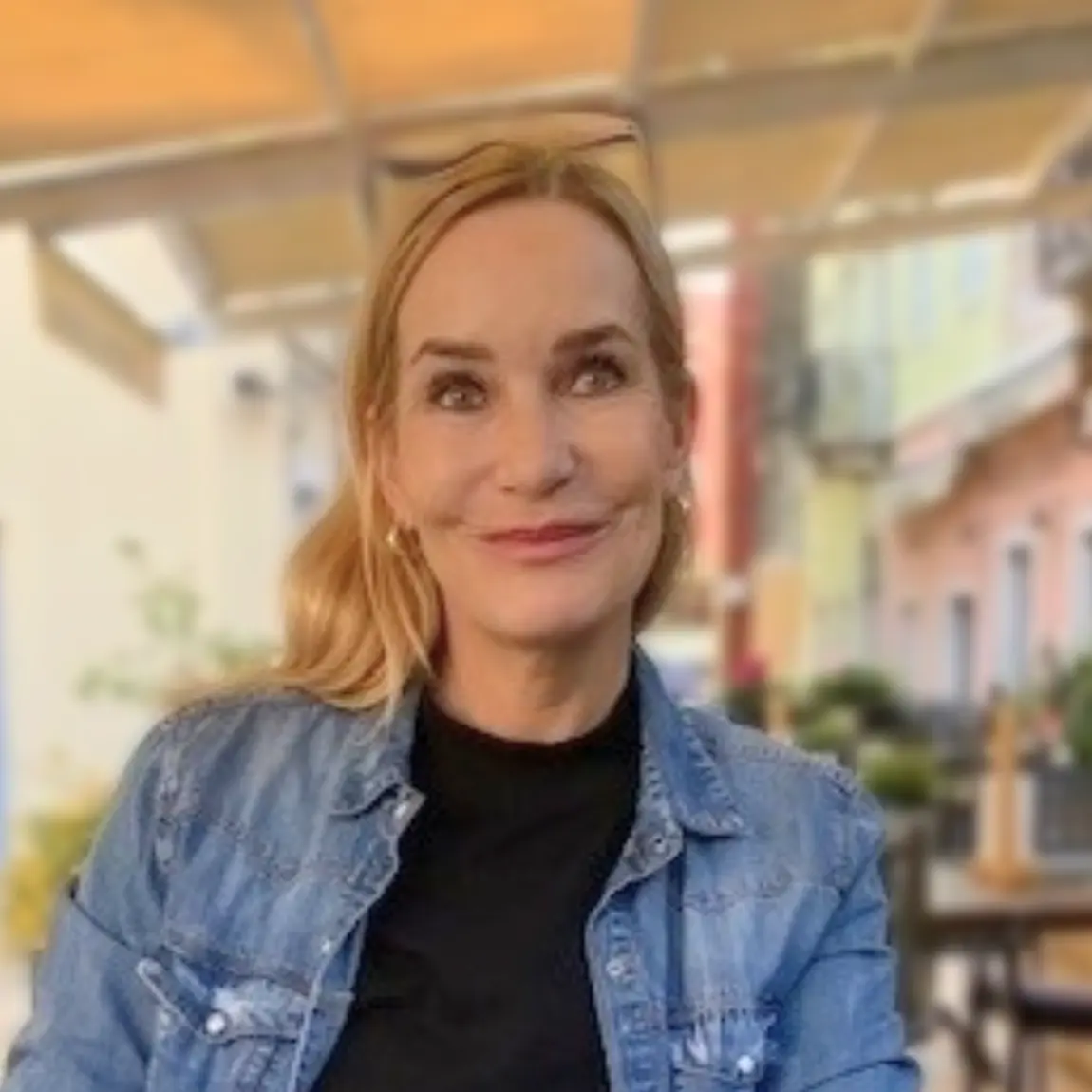
An island, a mother, and a language left unlearned
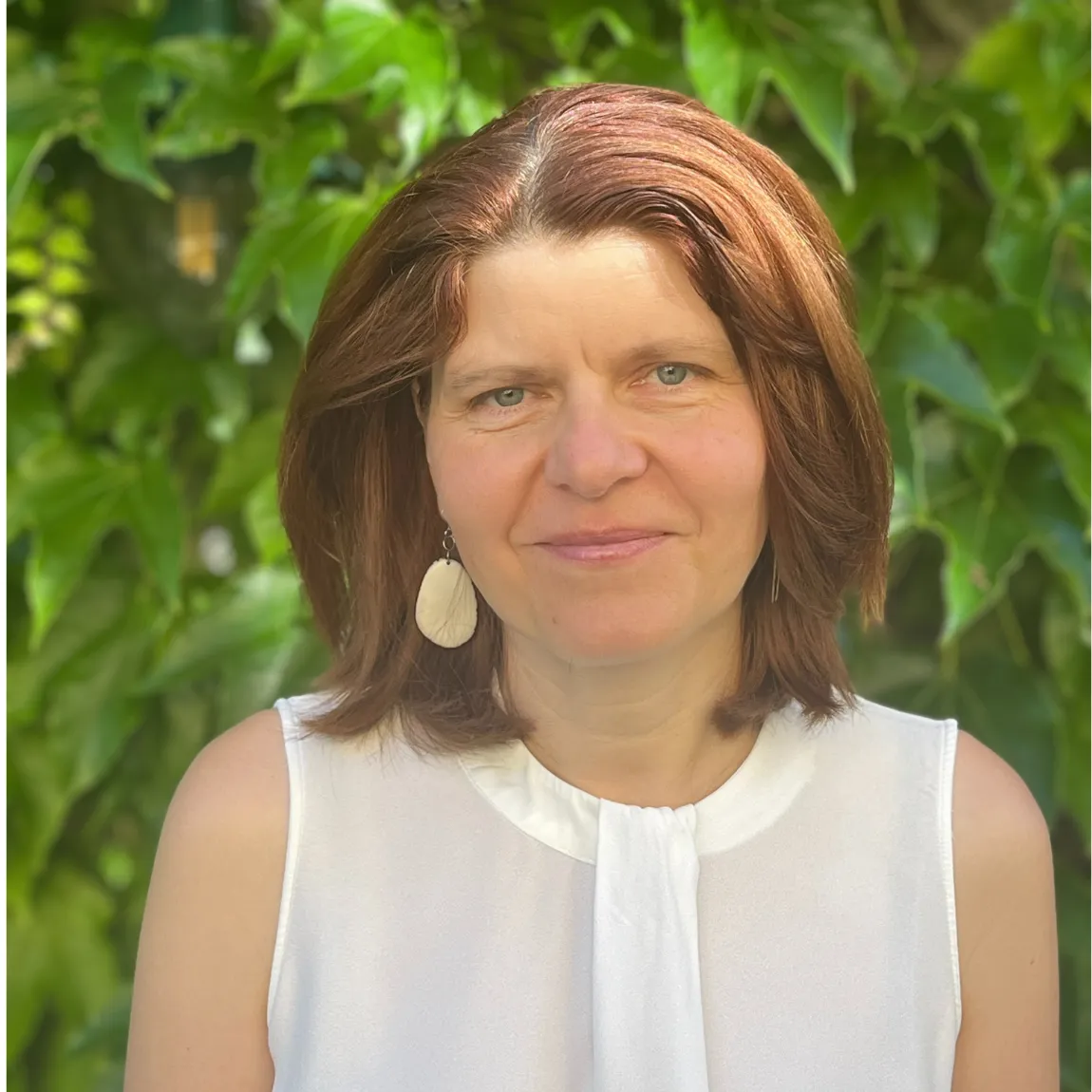
Ruth’s connection to Croatia goes back to childhood. Every summer, her family made the journey to the same island on the Adriatic – a habit that continued throughout her life, broken only by the years of conflict in the region. Her mother was Slovenian, part of a small South Slav community that had settled in Cologne, and had made a conscious decision to integrate into German life rather than pass her language on to her daughter. Ruth grew up hearing Slovenian spoken at family gatherings, in conversations with landladies on holiday, at the market – and finding it impressive, even a little mysterious – but she never learned it herself.
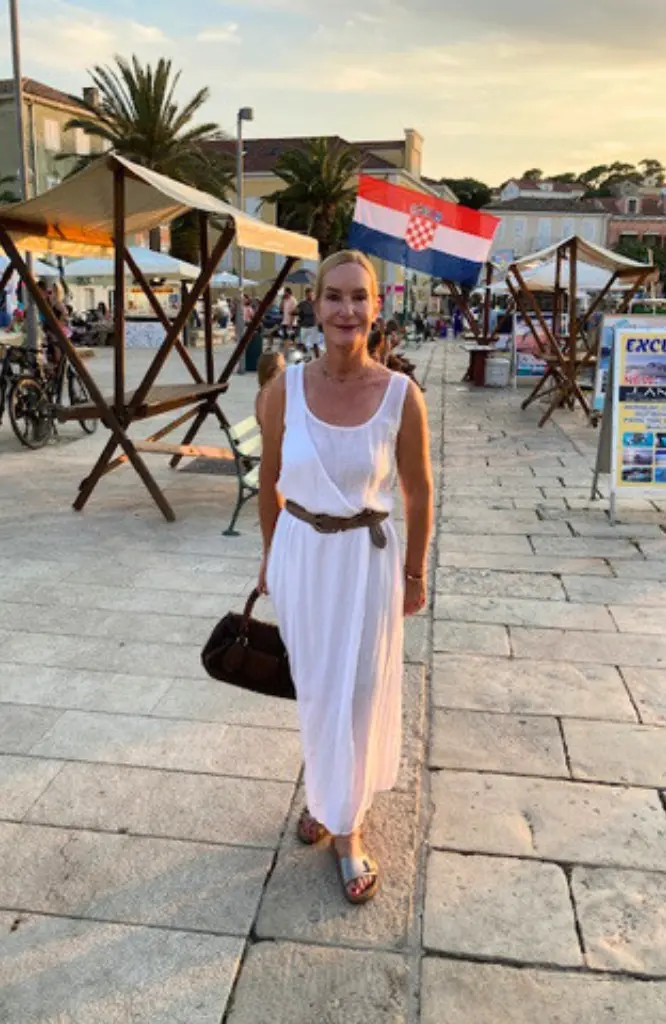
“Suddenly, later in life, it just feels like home.
It’s quite mad how that happened.”
That sense of a missed connection became harder to ignore with time. Ruth and her husband – now based in Berlin, having previously lived in Munich, which put the island within easier reach – had started thinking about the future: perhaps a holiday property, perhaps longer stretches of time there. Alongside those practical considerations was something harder to name. With age, she explains, the island had begun to feel less like a destination and more like somewhere she belonged. That feeling played its part in the decision just as much as any plans for property or extended stays.
A professional who knows how learning works
Ruth trained as a primary school teacher and spent years working with young children in Germany before moving into adult education and teacher training – specifically, training future teachers in German. Languages, she says, have always been a natural fit. At school she covered English, French, and Latin, and she approaches a new language the way a teacher might: looking for the underlying system, the grammar that gives a language its shape. That background helps her understand how Croatian is built, even when the language itself presents challenges unlike any she has encountered before.
Those challenges were apparent from the start. With Romance languages or English, a learner often finds familiar vocabulary – cognates, borrowed words, recognisable roots. Croatian offered far fewer of those footholds. The grammatical cases were unfamiliar, the structure unlike anything she had encountered in French or Latin. What struck her as a genuine advantage, however, was something else entirely: Croatian is written almost exactly as it is spoken. For a learner working through new vocabulary, that consistency made it considerably easier to read aloud with confidence, even when the meaning was still out of reach.
Dogs, boats, and the pull of the coast
Outside work and language lessons, Ruth’s life in Berlin is an active one. She and her husband have two dogs, which means regular time outdoors – walks, nature, steady movement throughout the week. Sport features alongside that, and travel takes whatever space is left. Italy still gets a mention; time in Tuscany remains appealing. But the majority of their holidays now go to Croatia, where they manage to visit three or four times a year.
“We got our boating licence not long ago, hoping to sail the Adriatic a little. Between the island, the dogs, and Croatian lessons, something always pulls us back to that coast.”
The boating licence is a recent addition – taken, Ruth explains, with the Adriatic specifically in mind. The ambition is modest but deliberate: to get out on the water near the island, to see the coast from a different angle. It fits a broader pattern in her life, which seems to orient steadily in one direction. Each visit to Croatia deepens the connection; each connection makes the next lesson feel more purposeful.
Luna, children’s television, and the value of small steps
Ruth had spent several months trying to learn Croatian on her own before enrolling with Let’s Learn. As a teacher, she thought she might manage it – and she made some progress. There are decent textbooks, she says, and independent study has its place. But the difference, once she began working with her teacher Luna, was significant. She praises Luna’s combination of warmth and rigour – an approach that is encouraging without losing its professional edge. She speaks with equal enthusiasm about the structure of the course itself: the sequencing of lessons, the interactive homework exercises she describes as genuinely enjoyable, and the way supplementary materials are woven into the whole.
Those materials include Croatian children’s television, music videos, and audio content – resources Ruth says she had tried and failed to track down on her own before finding them already part of the course. She has since added a Croatian radio station to her regular listening. Taken together, the effect is one of gradual immersion that never feels like a chore. Her own study habits have settled into a reliable rhythm: every day if possible, every other day at a minimum, always in manageable portions. A grammar rule learned properly. A section absorbed before moving on. When the lesson with Luna comes around, the pieces fit together.
Already know some Croatian?
Take our free placement test and find your current level in just a few minutes. It’s fun, fast, and helps you understand exactly where you are – and what the next step in your learning journey might be.
Take the free test
The moment it clicked, and what comes next
The moment that confirmed her progress came this past summer, on one of the island visits. At a restaurant, with her husband nearby, Ruth found herself in a genuine back-and-forth with a waiter – questions, follow-up remarks, small exchanges that moved in both directions. She understood what was being said and replied. She ordered for her husband. Afterwards, he asked what they had been talking about – she laughs when she recalls the question. He has not yet started learning Croatian himself, she says with some amusement; he acknowledges it takes effort, and has not quite summoned it. But the moment was not lost on him.
“Don’t let it put you off. Push through at the start
and it really comes together.”
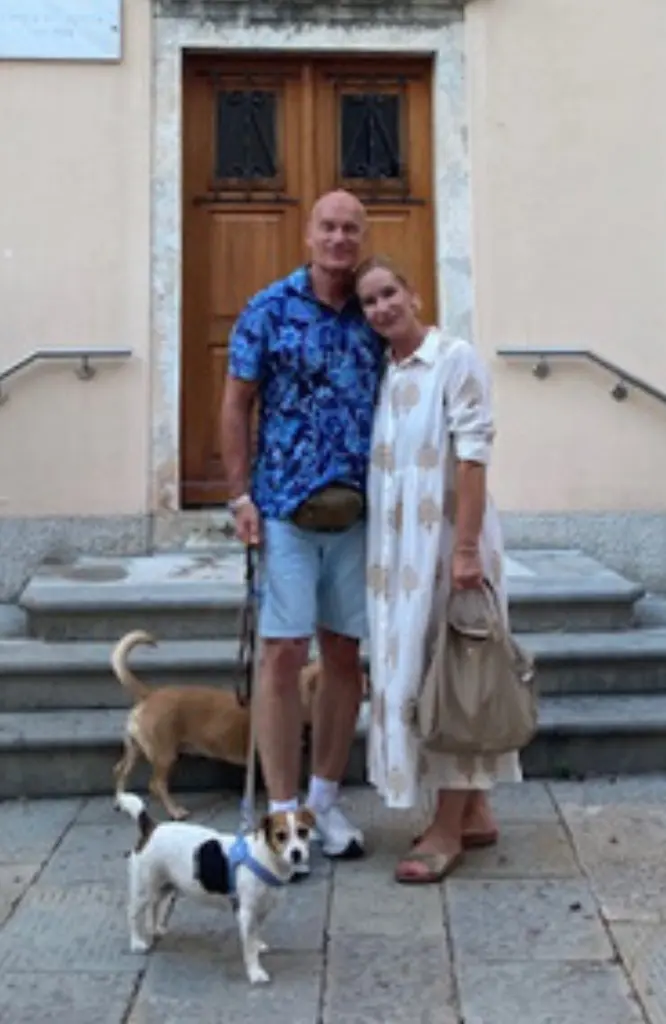
Ruth has noticed that locals respond warmly when visitors make the effort to speak Croatian, and that warmth, she says, is its own form of motivation. Ahead of her, she has already identified the next step: once Croatian is more settled, Slovenian feels like the natural continuation – not least given her mother’s history, and the reassurance from her teacher that the two languages share more than a little common ground. For now, she is focused on building what she has started. The language opens things, she says – it makes time on the island richer, the connections more real. And beyond the island, who knows: on the coast, in a Berlin classroom, wherever the next chapter leads, it can only be useful.
Teacher and student stories
Discover inspiring language journeys and see how others are learning and teaching Croatian.

Cornelia | Teacher
A German-Croatian teacher’s journey from Stuttgart to Rijeka, connecting two cultures through language learning and personal discovery.
Alexandra | Student
After years of understanding but not speaking Croatian, Alexandra is finally turning childhood church memories into daily conversations.

Maja | Teacher & school manager
Maja blends stagecraft with teaching to craft immersive Croatian lessons where drama sparks deep and lasting language learning.