A language that was always part of him
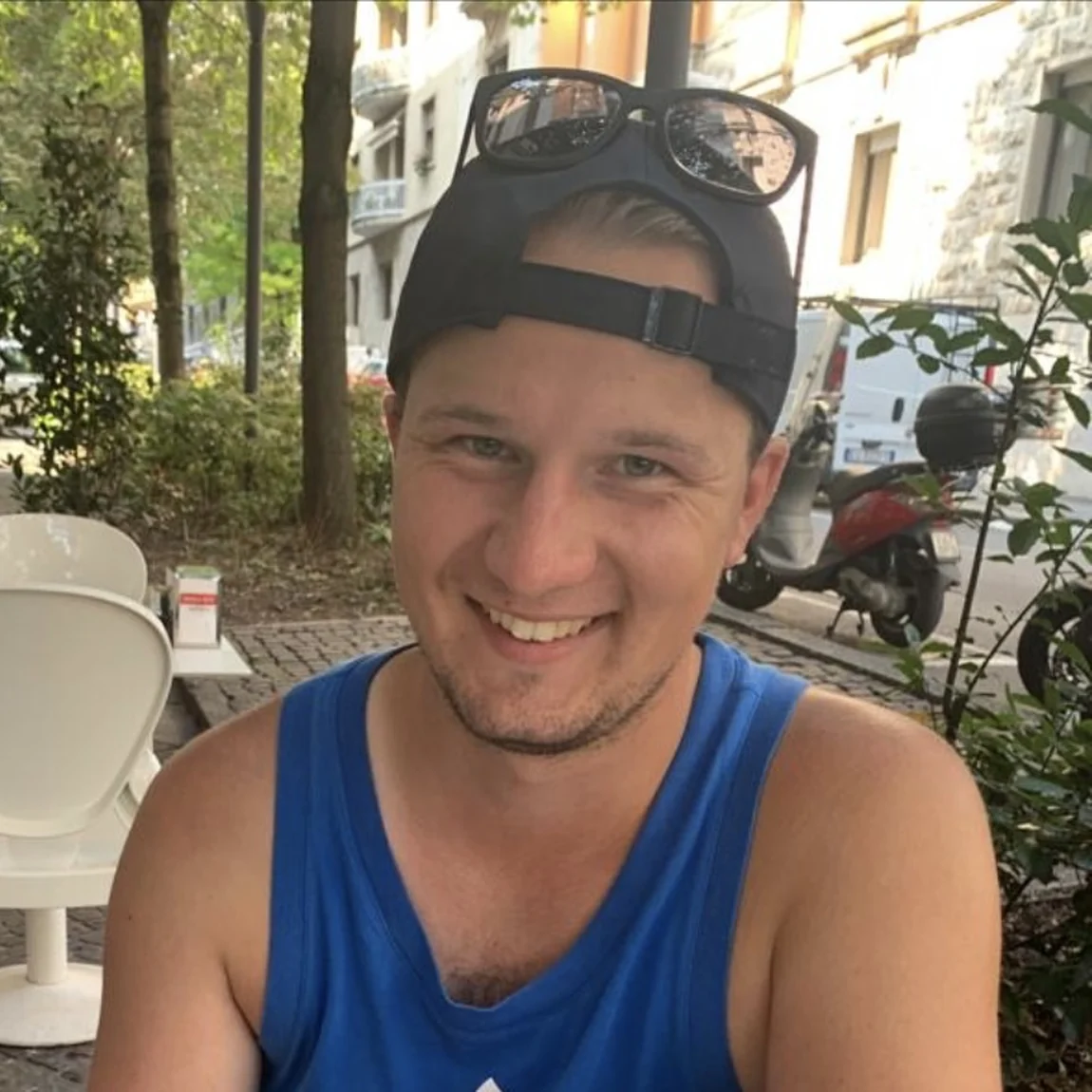
Niclas grew up in a village but has lived in Leipzig for the past five years, drawn to the city by work and the wider range of activities it offers. His father is Croatian, but because he was frequently away on work placements during Niclas’s childhood, learning the language simply never happened. It wasn’t indifference – it was timing, or the lack of it.
“It always annoyed me that I couldn’t communicate properly with my family.”
The desire had been there for years, but something always got in the way – time, energy, the usual excuses. Eventually, that changed. A visit to Croatia last August confirmed he was on the right track: his family noticed the difference, and hearing that from the people who mattered most was, he says, enough to know it had been worth it.
From village fire station to city pitch
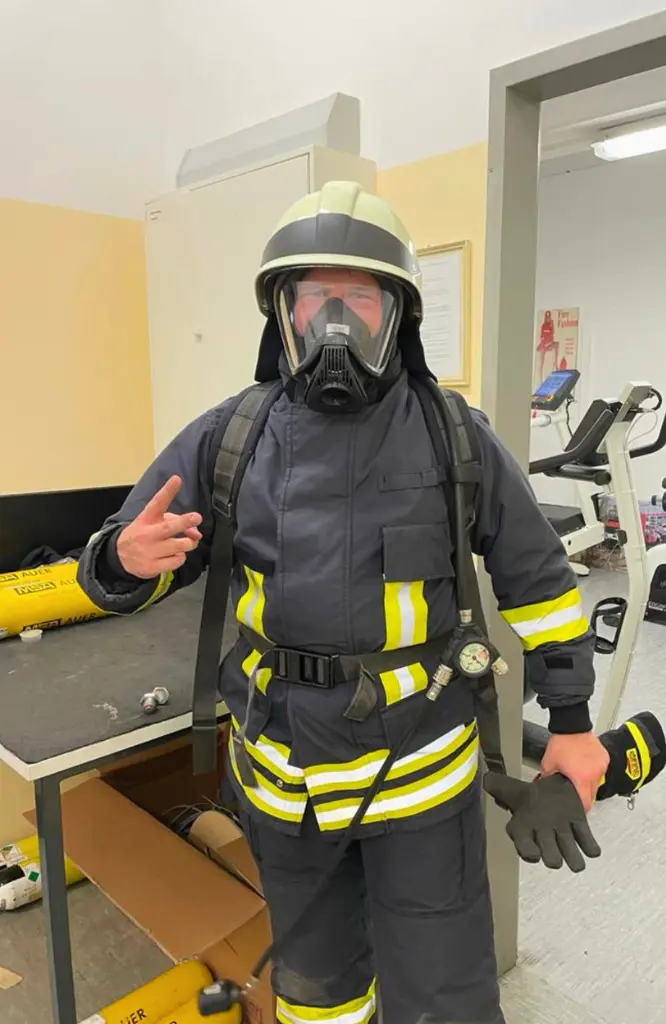
Before the language lessons, Niclas had already built a life shaped by commitment and practicality. For nine years, he was an active member of the volunteer fire brigade in his village – attending callouts to fires and road accidents alongside his neighbours. Moving to Leipzig made continued involvement impossible, but the years of service left their mark. It was demanding, he acknowledges, in the way that only genuinely useful things tend to be.
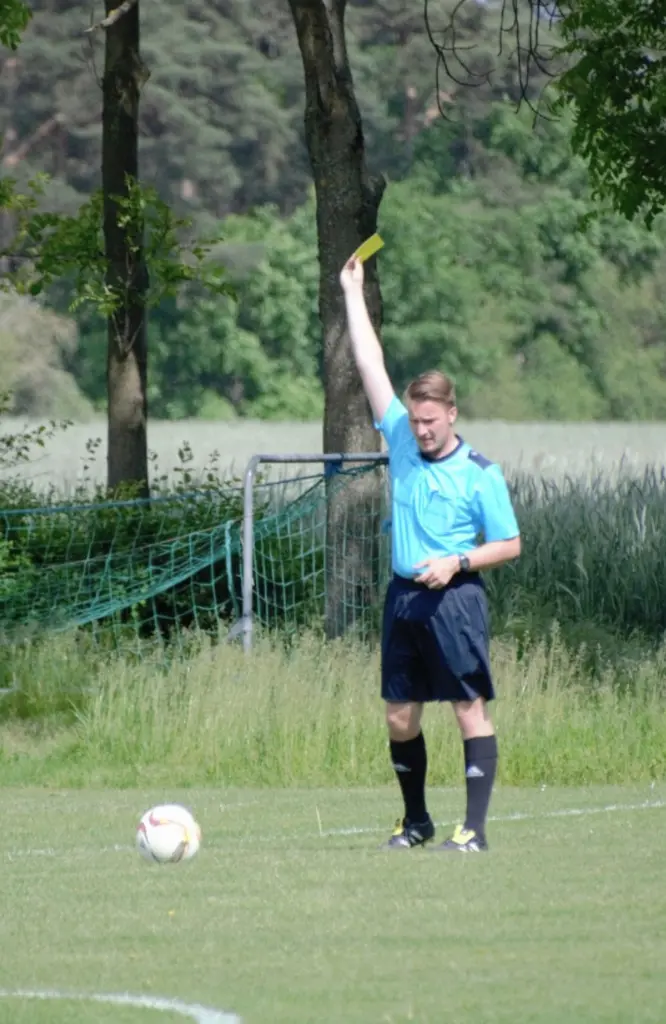
What followed him to the city is football. Niclas has been a referee for 13 years – half his lifetime – and it remains the hobby he cares most about. Beyond the pitch, his interests are varied: karaoke (the song depends entirely on mood – sometimes something upbeat, sometimes a ballad), travel, and time with friends. Cape Town stands out among his destinations; the United States has brought him back more than once; and South America is next on the list. Croatia, naturally, features every year.
Pleasantly surprised by the online classroom
When Niclas first considered enrolling in an online language course, he wasn’t convinced it would work for him. He had doubts about whether learning through a screen could replicate the feel of a real classroom. Those doubts didn’t last long. Receiving materials before each session, preparing in advance, then working through the content with the group turned out to suit his approach well. He’s also had the good fortune of landing in strong groups each time, which, as he points out, makes a noticeable difference to how enjoyable the whole thing is.
“I was quite sceptical at first – I never thought online learning would suit me. But I was proved wrong. It really works, and it’s a lot of fun.”
The language itself has been a mix of the intuitive and the demanding. What struck Niclas early on was Croatian’s phonetic consistency: words borrowed from other languages – “kompjuter”, “menadžer”, “tinejdžer” – are spelled more or less as they sound, without the doubled letters or silent characters that complicate other European languages. The grammatical cases are another matter. Knowing which form to use, and when, requires a different kind of thinking than German allows for – and that, he says, is where the real effort currently lies.
Mondays belong to Croatian
Niclas has structured his learning around a simple rhythm. Monday is his Croatian day: group class in the evening, preparation beforehand, and a review of recent material woven into the hours either side. When the week allows, he finds pockets for vocabulary work or grammar practice. It isn’t elaborate, but it’s consistent – and consistency, he’s found, is what actually moves things forward.
Beyond the course itself, he practises wherever real-life opportunities arise. He and his father exchange messages in Croatian, even if it doesn’t always flow smoothly when speed is required. At the logistics company where he works as a dispatcher, several colleagues are Croatian, and he takes the occasional chance to slip a few words into conversation – though, as he acknowledges, workplace pressure doesn’t always leave much room for language practice. The intention, at least, is there.
Practise Croatian for free
Use our interactive study tool to improve your Croatian with vocabulary quizzes, grammar exercises, and progress tracking. Pick a topic, start a quiz, and see how your skills grow over time.
Try the study tool
Staying on the thread
For Niclas, progress hasn’t arrived in a single defining moment – it’s come gradually, through regular practice and small confirmations along the way. When family members and colleagues notice a difference, that’s enough. The structured approach of the course has helped: learning grammar from the ground up, one step at a time, rather than picking up fragments and hoping they stick.
“Whoever wants to speak it well has to put in the work.”
His advice to anyone starting out is straightforward. Stay consistent. If you miss a session, use the recording, speak to your teacher or classmates, and make sure you stay connected to the material – because losing the thread is harder to recover from than it might seem. And be honest with yourself about how much you’re willing to invest. How well you end up speaking, he says simply, comes down to how much work you’re prepared to do.
Teacher and student stories
Discover inspiring language journeys and see how others are learning and teaching Croatian.
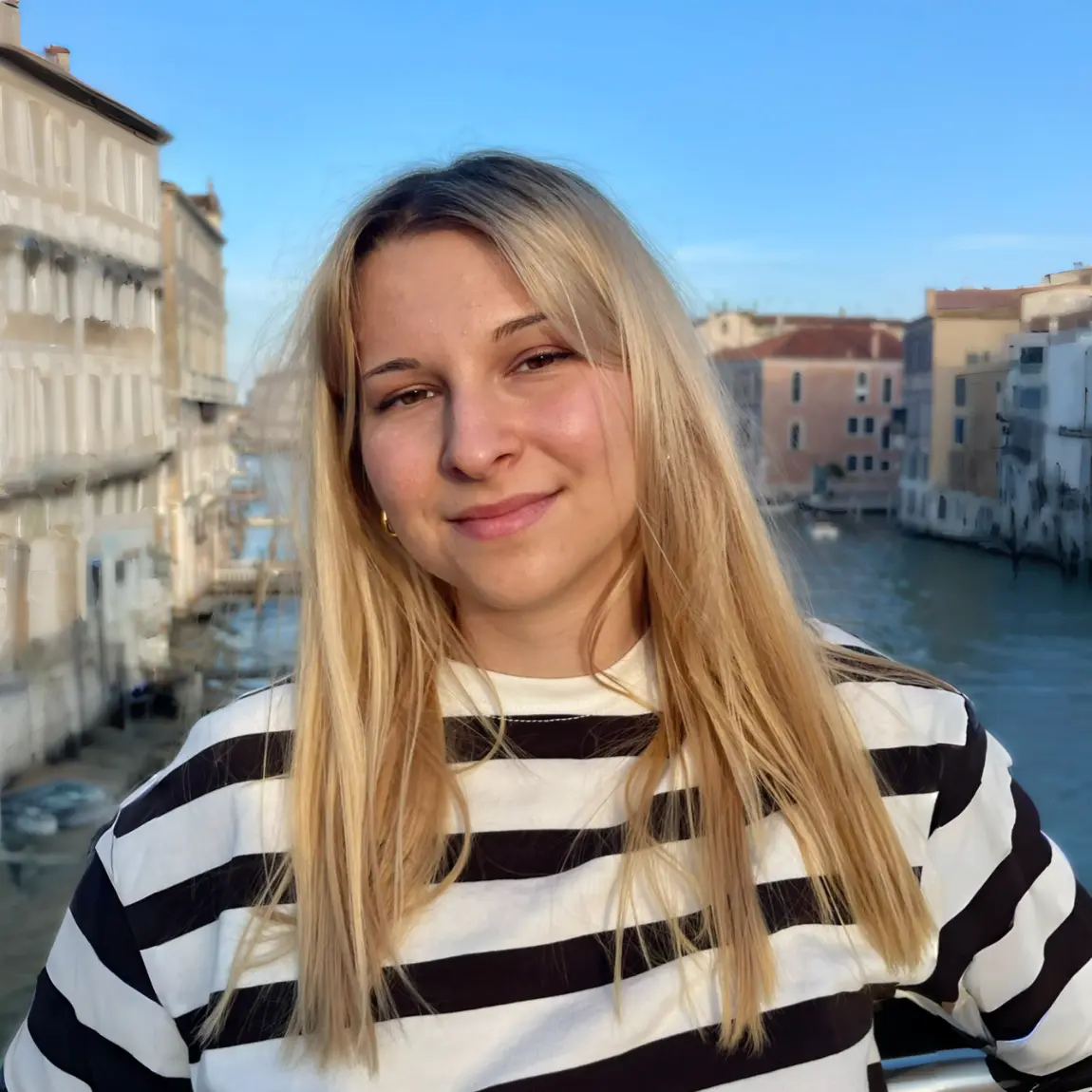
Irma | Teacher
A biotechnologist who once taught herself fluent German at 15, Irma now brings that same careful curiosity to teaching Croatian.
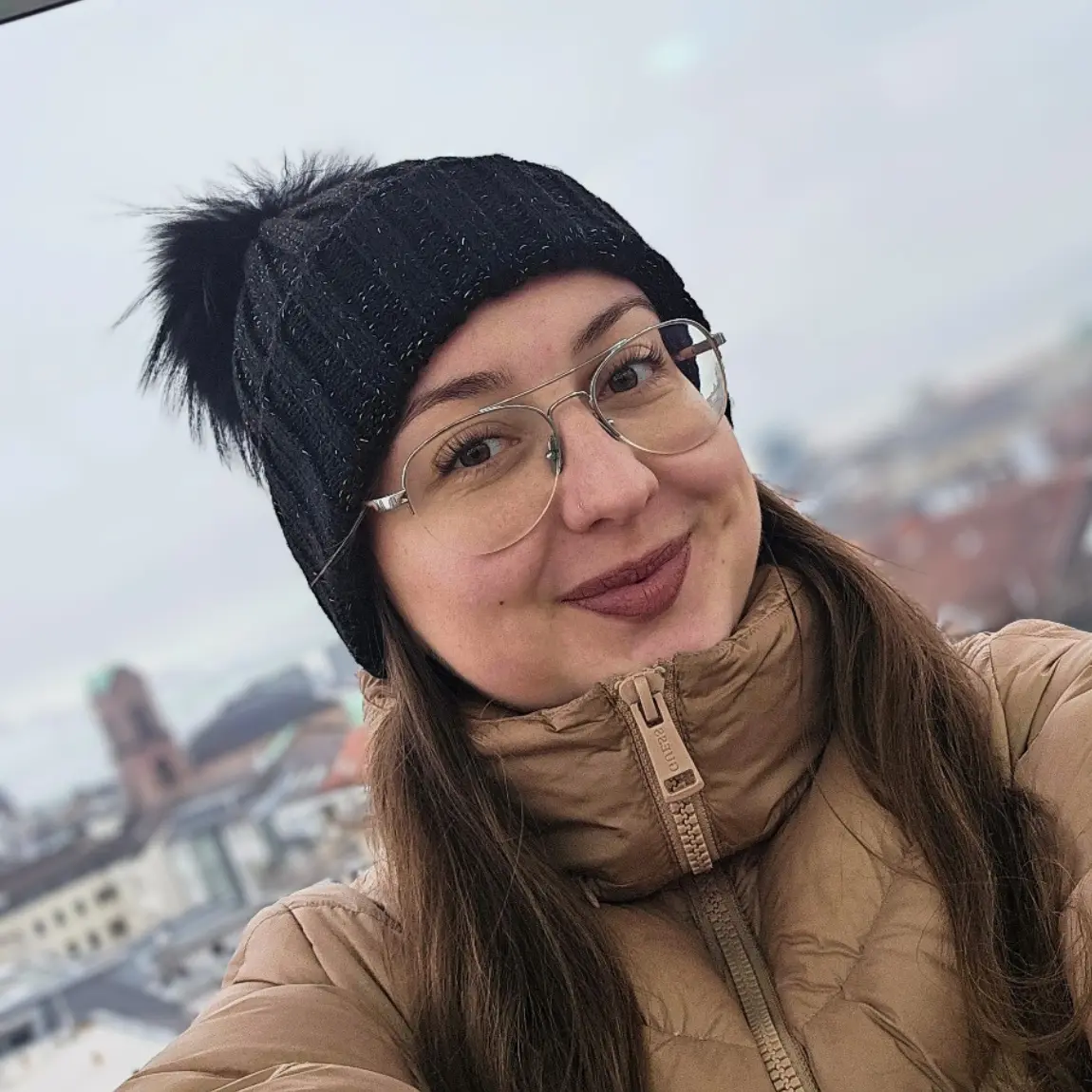
Melisa | Student
Melisa from Karlsruhe started learning Croatian for her husband – and discovered a whole world of friendships, books, and belonging.
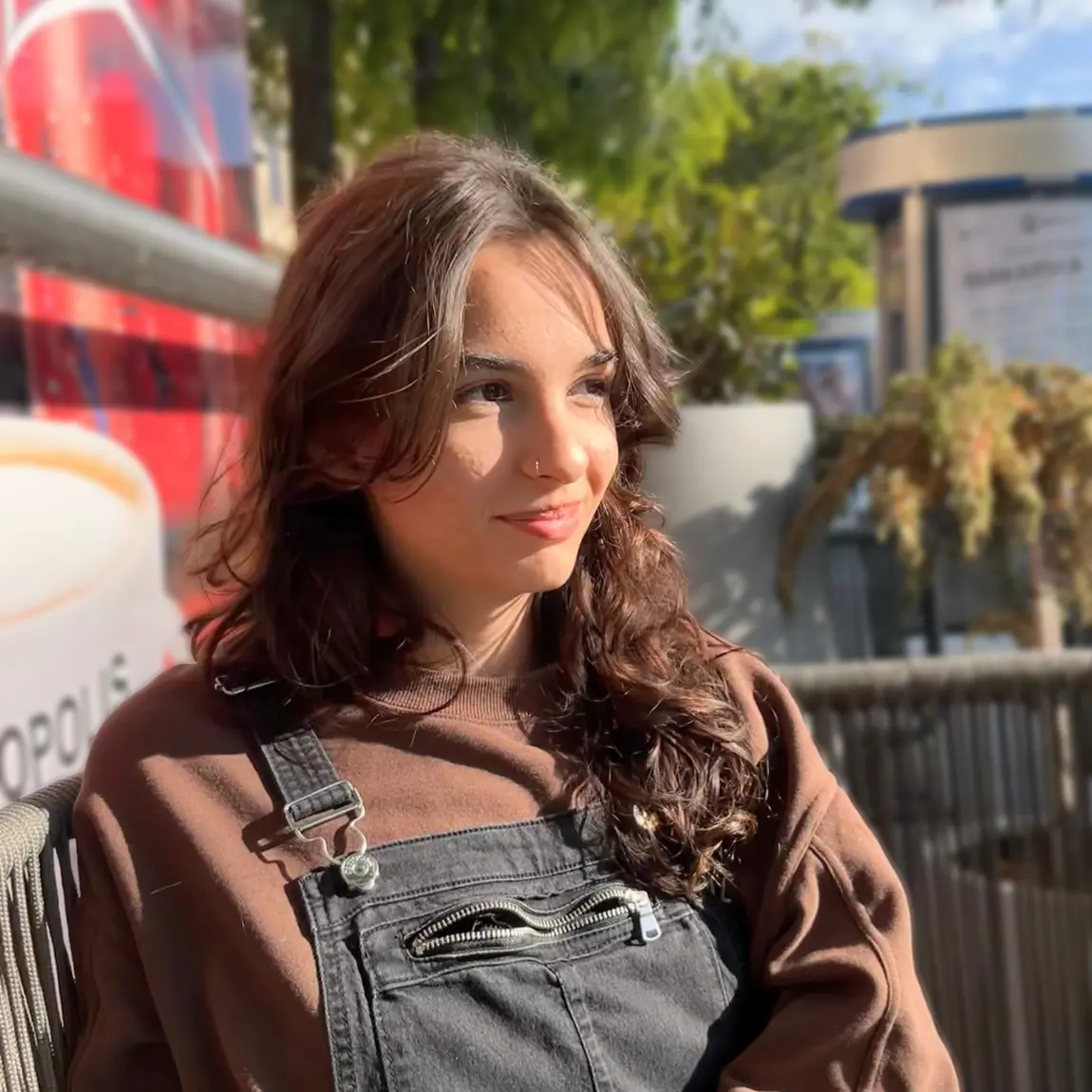
Lorena | Teacher
From the borderlands of Osijek to the online classroom, Lorena teaches Croatian with warmth, humour and a belief that everyone belongs.