The news in Croatian
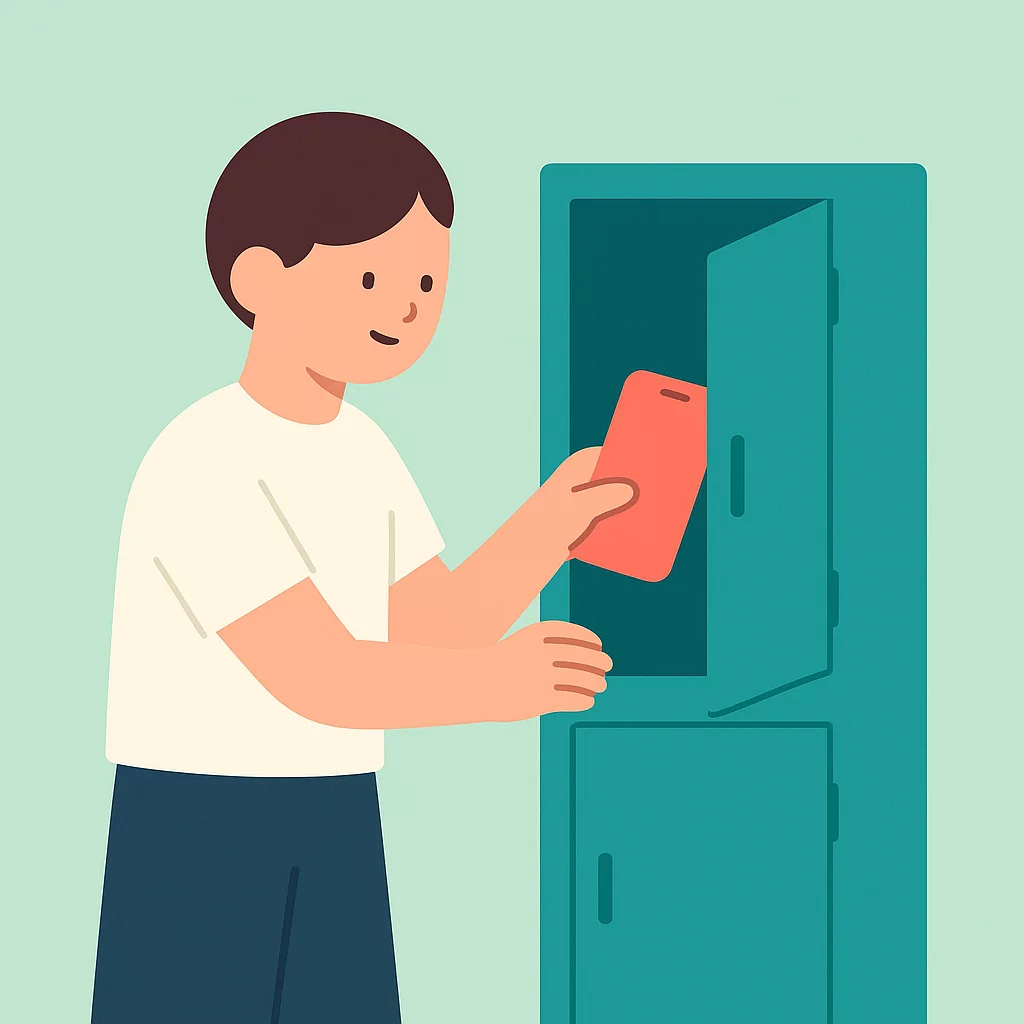
Vlada predlaže1 nova pravila za osnovne i srednje škole. U osnovnim školama mobiteli trebaju biti ugašeni u torbi ili ormariću2. Učenici ne smiju donositi drogu3, alkohol i oružje4 u školu. Teško nasilje i velika šteta na imovini5 bit će strože kažnjeni. Izostanci zbog prosvjeda6 neće biti opravdani.
- predlagati
iznositi prijedlog, nuditi neku ideju ili rješenje drugima da o njoj odluče ↩︎ - ormarić (m.)
mali ormar s vratima ili pregradama, često za stvari učenika u školi ↩︎ - droga (f.)
tvar koja mijenja raspoloženje ili ponašanje i može izazvati ovisnost ↩︎ - oružje (n.)
predmet ili sredstvo koje se koristi za napad ili obranu, npr. pištolj, nož ↩︎ - imovina (f.)
sve stvari i prava koje netko posjeduje, npr. kuća, auto, novac ↩︎ - prosvjed (m.)
javno izražavanje nezadovoljstva, često skup ljudi na ulici ↩︎
Translation
Text comprehension
Question 1: Where must primary school students keep their mobile phones during school, according to the new rules?
Question 2: What kinds of things are students not allowed to bring to school under the new rules?
Vocabulary
| Croatian | English |
|---|---|
| predlagati | |
| ormarić (m.) | |
| droga (f.) | |
| oružje (n.) | |
| imovina (f.) | |
| prosvjed (m.) | |
Curious about Croatian lessons?
Thinking about learning Croatian, but not sure where to start? Book a friendly video chat with our learning coordinator and get personal guidance on teachers, groups, and next steps.
Book a coordinator chat
Read the full story
The Croatian government has proposed new national rules for schools that would ban the use of mobile phones in all primary school areas and tighten discipline measures for unacceptable behaviour. The draft changes have been sent to an online public consultation, known in Croatia as e-savjetovanje, which runs until 7 February.
Under the proposal from the Ministry of Science, Education and Youth, using mobile phones and other information and communication devices in primary schools will be officially classified as unacceptable behaviour. Pupils will still be allowed to bring phones to school, but will have to keep them switched off and stored in their bags or lockers, depending on each school’s internal rules.
The ministry explains that phones may be used only for educational, health-related or other approved purposes, and only with school permission. The aim, officials say, is to make pupil behaviour rules clearer, strengthen safety and order in schools, and support a more effective teaching and learning process.
For secondary schools, the rules are different. The current ban on using phones and similar devices during lessons will remain. Secondary schools will also have the option to further limit mobile phone use outside lessons through their school rulebooks, but mobile phones are not generally banned during breaks, as this would be, according to the minister, difficult to control.
The proposed regulation also introduces stricter classifications of problematic behaviour. Bringing or consuming psychoactive substances—now clearly defined as alcohol, illegal drugs and other substances forbidden to minors—would be treated as serious unacceptable behaviour. The ministry states that such actions endanger pupils’ safety, health and well-being and disturb the normal work of the school.
Other actions would also fall under serious unacceptable behaviour. These include bringing in or assisting entry of unauthorised persons who cause harm to people or property on school premises or at any location where education is taking place, as well as
The most severe category, “especially serious unacceptable behaviour”, would also be expanded. The bringing or use of weapons or dangerous objects in school or at an educational venue, which was previously classified as serious unacceptable behaviour, would now be treated as especially serious, reflecting its potential to cause serious harm.
An important change concerns pupil absences from lessons. According to the draft, an absence caused by pupils or parents expressing dissatisfaction or protest will be counted as unjustified and cannot be excused. If a school learns that parents are keeping a child at home for such reasons, it will be required to inform the relevant local office of the Croatian Institute for Social Work.
The ministry argues that this measure is intended to protect the child’s right to education and prevent parents from using children as a means of pressure on schools. Minister Radovan Fuchs has stated that parents still have the right to express dissatisfaction, protest and criticise, but, under the proposal, they would not have the right to block their child’s attendance at lessons as a form of protest.
The draft rules also aim to deepen cooperation between schools and social services. Schools will not only have to notify social services when necessary; in cases where a pupil receives a disciplinary measure for serious or especially serious unacceptable behaviour, schools will be obliged to request a written report from the local social work office. This is intended to help schools adjust their further professional support for the pupil based on the actions already taken by social services.
If the changes are adopted, schools will have 60 days from the date the regulation comes into force to align their own statutes and internal rules with the new national standards. The regulation is planned to take effect on the first day after its publication in Croatia’s official gazette, “Narodne novine” (Official Gazette).
The proposals have attracted attention in Croatia because they affect everyday school life for pupils, parents and teachers. While the articles from Croatian media mainly report the government’s explanation and do not describe organised public reactions in detail, they note that some parents may object particularly to the rule on unjustified absences during protests. The coming weeks of e-consultation will show whether parents, teachers and other stakeholders support the planned mobile phone ban and stricter discipline framework or call for further changes.
Info: ‘Croatian Learner News’ is a service from ‘Let’s Learn Croatian’, a language school dedicated to teaching Croatian through various online courses and resources that explain how to learn Croatian in a structured and accessible way.
Advanced: Reports from Croatia
- Stricter Rules: Mobile Phones Banned in Primary Schools, Tougher Disciplinary Measures (Glas Istre)
- Mobile Phones Banned in Primary Schools (Index.hr)
- Phones to Be Banned in Primary Schools – And One New Rule Won’t Please Some Parents (Dnevnik.hr)
- Mobile Phones Banned in Primary Schools – And That’s Not the Only Major Change (Jutarnji list)
Croatian Learner News
Discover news from Croatia to stay informed and practise your skills.
-

Learner News | 29.09.2026
Four Croatian Astronomers Discover New Planetary Nebula Candidate
-

Learner News | 06.10.2026
Croatian Renaissance Playwright Držić to Feature at London Events
-

Learner News | 06.10.2026
Croatia’s Best Restaurants 2026 Named at Dobri Restorani Awards