
The news in Croatian
- obrana (f.)
zaštita neke države, osobe ili mjesta od napada ili opasnosti ↩︎ - vojnik (m.)
osoba koja radi u vojsci i sudjeluje u vojnim zadacima ↩︎ - obuka (f.)
organizirano učenje i vježbanje za neki posao ili zadatak ↩︎ - izgled (m.)
kako nešto ili netko izgleda izvana, vanjski dojam ↩︎ - sigurnost (f.)
stanje kada nema opasnosti, kada je netko ili nešto zaštićeno ↩︎ - zabraniti
odlukom reći da se nešto ne smije raditi ili održati ↩︎
Translation
Text comprehension
Question 1: What does Minister Ivan Anušić say about soldiers’ hair and beards during training?
Question 2: What decision made by the city of Zagreb does Anušić disagree with?
Vocabulary
| Croatian | English |
|---|---|
| obrana (f.) | |
| vojnik (m.) | |
| obuka (f.) | |
| izgled (m.) | |
| sigurnost (f.) | |
| zabraniti | |
Curious about Croatian lessons?
Thinking about learning Croatian, but not sure where to start? Book a friendly video chat with our learning coordinator and get personal guidance on teachers, groups, and next steps.
Book a coordinator chat
Read the full story
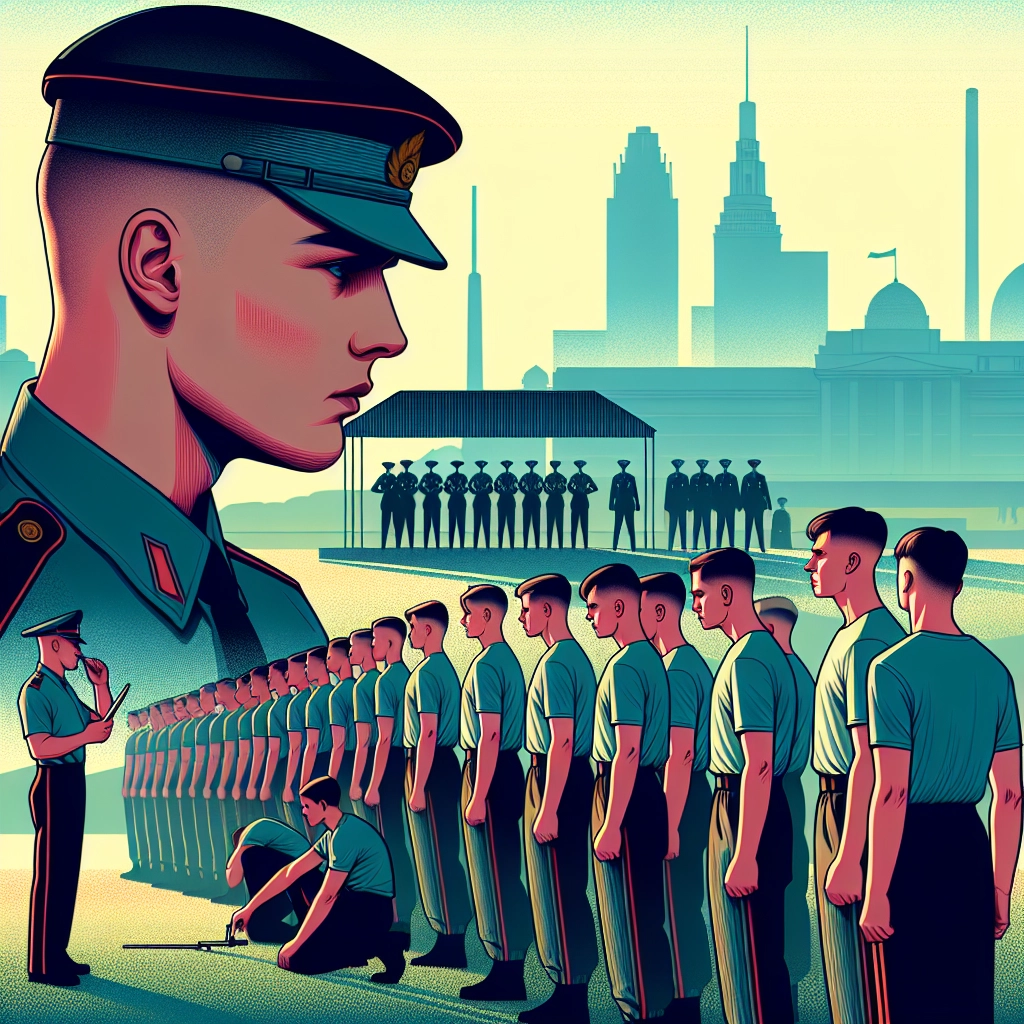
Croatia’s Defence Minister Ivan Anušić has confirmed that men called up for the planned return of compulsory military service will have to follow strict rules on appearance, including short haircuts and limits on facial hair.
Speaking after a commemoration in Laslovo for soldiers and civilians killed or missing in the 1990s Homeland War, Anušić said that during the planned two‑month basic military training all conscripts would need a neat, short military hairstyle. He stressed that this continues a long-standing rule in the Croatian Armed Forces and is not a new measure.
According to the minister, recruits will not be shaved completely bald, but they will not be allowed to have shoulder‑length hair or long beards. He described these limits as “minimal practical and safety requirements”, explaining that long hair and beards can cause difficulties in everyday military tasks, combat situations, personal hygiene and the use of equipment such as helmets and protective masks.
Anušić linked the dress code to broader expectations of behaviour in the army. He argued that a soldier must look orderly and appropriate, and that outward appearance supports discipline, which he described as a “foundation” of the armed forces. For this reason, he said, military service should not be seen as a school trip or holiday, but as a serious responsibility.
In the same media appearance, the minister also commented on a separate political dispute in the capital. He criticised the announced decision by Zagreb mayor Tomislav Tomašević to ban a second concert by nationalist singer Marko Perković Thompson, planned for 28 December in Zagreb. The first concert was recently held in the city.
Anušić described the proposed ban as a form of discrimination against an artist. He argued that he saw no reason to forbid a performance by a musician whose concerts, according to him, have already attracted hundreds of thousands of visitors. In his view, the decision by the mayor is politically motivated and not something for which Croatian veterans fought in the 1990s.
The minister also criticised the priorities of the city administration in Zagreb, saying that local authorities should first deal with waste management, traffic congestion and the condition of public spaces. Only once the city looks, in his words, like a “clean and orderly European city” should the leadership move on to higher-level political debates. He added that the current city government should not be the one to give what he called “lessons” on history, patriotism or fascism.
To explain why he supports Thompson’s right to perform, Anušić referred to the role of music during the Homeland War. He said that Croatian soldiers listened to many songs at the front, including Thompson’s well-known wartime song “Bojna Čavoglave”, which he still sees as a recognisable symbol of that period. He also mentioned other artists popular at the time, such as Zlatni dukati and singer Josipa Lisac, and her song “Sloboda i mir” (“Freedom and Peace”).
The debate around hairstyles and concerts touches on wider Croatian discussions about military discipline, national identity, and the legacy of the 1990s conflict. While Anušić presents the hair regulations as a technical and safety issue and the concert ban as unjustified discrimination, city authorities in Zagreb have signalled different priorities and interpretations of what is acceptable in public space. The final shape of Croatia’s renewed conscription system, as well as the outcome of the dispute over Thompson’s performance, is likely to remain a topic of national political and media attention.
Info: ‘Croatian Learner News’ is a service from ‘Let’s Learn Croatian’, a language school dedicated to helping people learn Croatian. We offer various types of online Croatian courses designed to support learners at different levels.
Advanced: Reports from Croatia
- Anušić: No Long Hair or Beards in the Army – This Isn’t a School Trip (Index.hr)
- Anušić: “Soldiers Will Have to Cut Their Hair—But Not to the Bone; Shoulder‑Length Is Out, This Isn’t a School Trip” (Jutarnji list)
- Anušić Reveals the Haircut Rules for Recruits: “This Is a Problem, It’s Not a School Trip” (Net.hr)
Croatian Learner News
Discover news from Croatia to stay informed and practise your skills.
-

Learner News | 11.05.2026
Croatia Urges 10–20% Price Cuts for Tourists
-

Learner News | 04.05.2026
Croatian Ski Chief Pavlek Arrested in Kazakhstan
-
Learner News | 03.05.2026
Over 12,000 Catholic youths gather in Požega