The news in Polish
Główny Inspektorat1 Sanitarny zamknął 18 miejsc do kąpieli nad Morzem Bałtyckim z powodu sinic2. Sinice mogą powodować podrażnienia3 skóry oraz problemy żołądkowe. Czerwone flagi oznaczają zakaz kąpieli. Możliwe, że sytuacja szybko się zmieni z powodu pogody4. Zaleca5 się śledzić6 informacje i unikać wody, która zmienia kolor.
- inspektorat (m.)
instytucja lub organ zajmujący się nadzorem i kontrolą określonej dziedziny ↩︎ - sinica (f.)
mikroskopijne organizmy wodne, które mogą zakwitać w zbiornikach wodnych ↩︎ - podrażnienie (n.)
reakcja skóry na coś drażniącego, przynosząca dyskomfort ↩︎ - pogoda (f.)
stan atmosfery w danym miejscu i czasie, na przykład temperatura, opady ↩︎ - zalecać
proponować komuś zrobienie czegoś dla jego dobra ↩︎ - śledzić
obserwować przebieg wydarzeń lub zmiany sytuacji ↩︎
Translation
Text comprehension
Question 1: Why were the bathing spots on the Baltic Sea closed?
Question 2: What do the red flags mean at the Baltic Sea bathing spots?
Vocabulary
| Polish | English |
|---|---|
| inspektorat (m.) | |
| sinica (f.) | |
| podrażnienie (n.) | |
| pogoda (f.) | |
| zalecać | |
| śledzić | |
Already know some Polish?
Take our free placement test and find your current level in just a few minutes. It’s fun, fast, and helps you understand exactly where you are – and what the next step in your learning journey might be.
Take the free test
Read the full story
An alert has been issued by the Main Sanitary Inspectorate of Poland, resulting in the closure of 18 bathing sites along the Baltic Sea’s coast due to the presence of cyanobacteria, commonly known as blue-green algae. This precautionary measure was announced on 18th July following the detection of potentially harmful algal blooms.
Among the closed bathing areas are popular spots such as Hel’s “Duża Plaża”, multiple sites in Jastarnia, including Jastarnia Leśna and Jastarnia Ogrodowa, and a variety of locations in Sopot including sites near Molo and Łazienki Południowe II. As a result, red flags were hoisted, indicating the prohibition of swimming until further notice.
Cyanobacteria, one of the earth’s oldest organisms, are capable of adapting to diverse environmental conditions, often thriving in both saline and freshwater bodies. Their proliferation is usually encouraged by high water temperatures, increased biological salts like phosphates, light winds, and a lack of rainfall, all of which currently characterize the region.
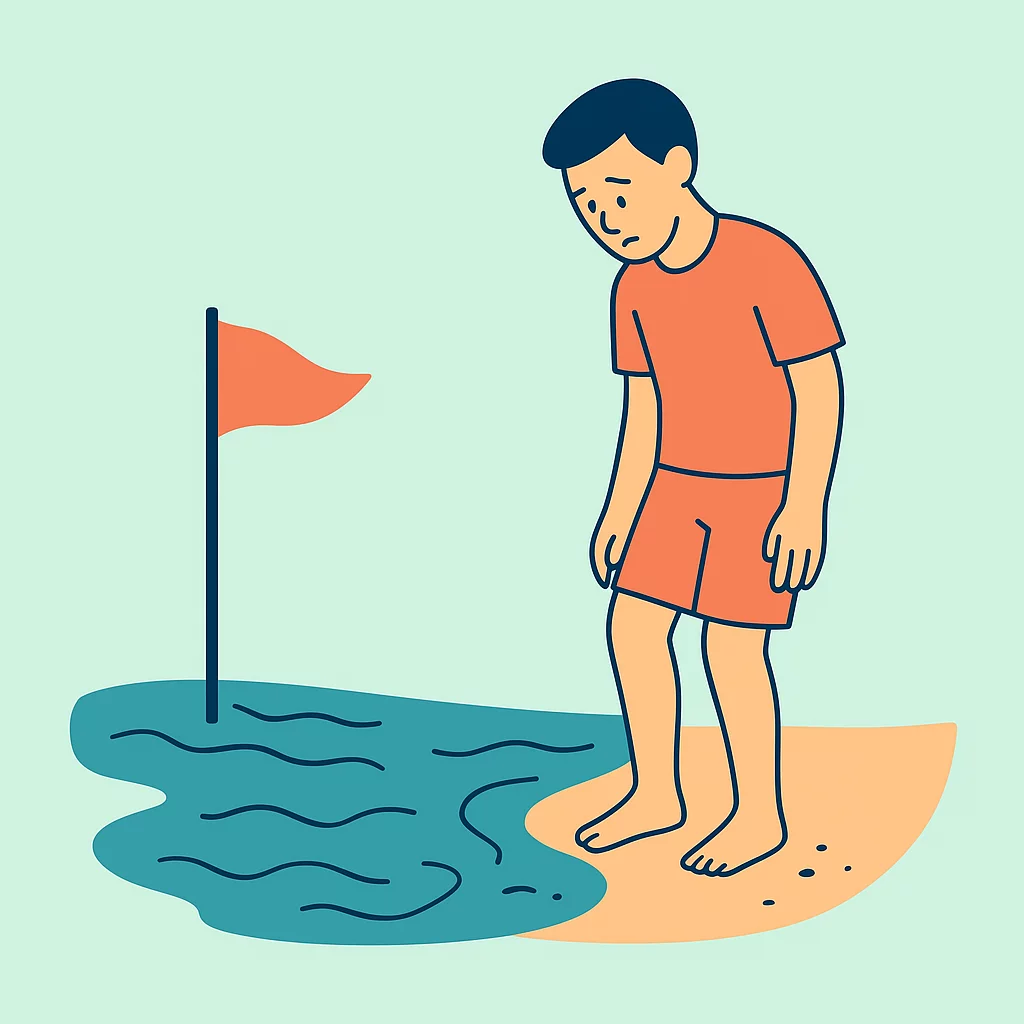
The health implications of these blooms can be concerning. Human contact with contaminated water can result in skin irritations, eye redness, and more severe gastrointestinal symptoms if ingested, such as nausea and stomach pains. It is also dangerous for animals, with documented cases of wildlife fatalities attributable to cyanobacterial toxins in various countries.
Authorities have mentioned that while not all cyanobacteria blooms are toxic, identification of their danger level cannot be determined by mere visual inspection. Consequently, the public is advised to exercise caution where water discolouration is apparent and to keep updated through the Main Sanitary Inspectorate’s information service for the status of specific bathing areas.
Experts noted that cyanobacterial presence in the Baltic can fluctuate significantly. Weather changes such as wind and rain can dissipate blooms as swiftly as they form. As highlighted by Zbigniew Zawadzki, spokesperson for the Gdańsk Sanitary and Epidemiological Station, a significant weather change could make the waters safe again just as quickly.
Info: “Polish Learner News” is a service from “Let’s Learn Polish”, a language school dedicated to teaching Polish through various types of online courses. For those seeking guidance on how to learn Polish, our resources offer comprehensive support and instruction.
Advanced: Reports from Poland
Polish Learner News
Discover news from Poland to stay informed and practise your skills.
-
Learner News | 25.08.2026
5,000-Year-Old Tooth Necklace Unearthed Near Wrocław
-

Learner News | 25.08.2026
Lublin’s Jagiellonian Fair 2026 Celebrates Folk Tradition and Children
-

Learner News | 18.08.2026
Solar Eclipse Over Poland: What Happened and Where