The news in Polish
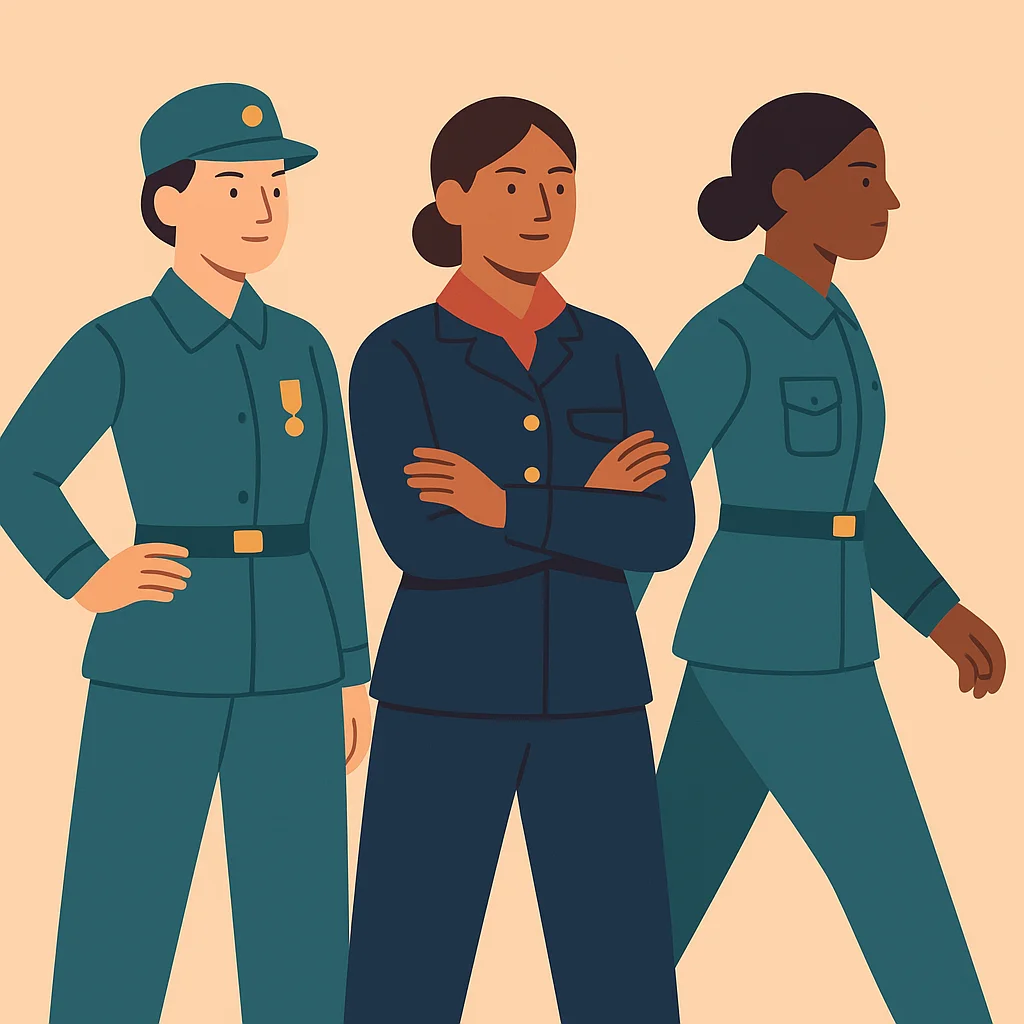
Podczas Pierwszej Wojny Światowej polskie kobiety przebierały1 się za mężczyzn i walczyły2 w Polskich Legionach3. Na przykład Zofia Kamińska, Maria Błaszczyk i Maria Wołoszynowska używały męskich imion. Te kobiety były bardzo odważne4. Maria Błaszczyk zginęła5 na wojnie w 1915 roku. To są niezwykłe6 historie.
- przebrać się
zmienić swój wygląd przez założenie innego ubrania lub kostiumu ↩︎ - walczyć
brać udział w walce lub wojnie, zmagać się z przeciwnikiem ↩︎ - legion (m.)
duża jednostka wojskowa składająca się z wielu żołnierzy ↩︎ - odważny
nieodczuwający strachu, gotowy stawić czoła niebezpieczeństwu ↩︎ - zginąć
umrzeć, stracić życie, zwłaszcza w wyniku wypadku lub wojny ↩︎ - niezwykły
wyjątkowy, rzadki, odbiegający od tego, co zwykłe i codzienne ↩︎
Translation
Text comprehension
Question 1: What did Polish women do in order to fight in the Polish Legions during the First World War?
Question 2: What happened to Maria Błaszczyk in 1915?
Vocabulary
| Polish | English |
|---|---|
| przebrać się | |
| walczyć | |
| legion (m.) | |
| odważny | |
| zginąć | |
| niezwykły | |
Practise Polish for free
Use our interactive study tool to improve your Polish with vocabulary quizzes, grammar exercises, and progress tracking. Pick a topic, start a quiz, and see how your skills grow over time.
Try the study tool
Read the full story
During the First World War, a number of Polish women disguised themselves as men to serve in the Polish Legions, leaving behind remarkable stories of courage, sacrifice, and determination.
One such woman was Zofia Kamińska, a painter and wife of a Warsaw architecture professor. In September 1915, aged 32, she enlisted in the Second Brigade of the Polish Legions under the name “Zygmunt Tarło.” A military tailor in Lublin made her a uniform, her sisters bought cavalry boots and an uhlan cap, and her hair was cut close to the skin. Her husband discovered what she had done only a month later, when he travelled to Lesce near Lublin after receiving no letters from her. According to his sister-in-law, Zofia had enlisted in place of her husband, who had once mentioned joining the Legions but had since forgotten about it.
Another volunteer was Maria Błaszczyk, a young student from Łódź, who enlisted on 16 July 1915 under the name “Stanisław Zaleski.” She wrote to her angry parents from the front, explaining that she had acted on her own conscience and without anyone persuading her. She was wounded at Rarańcza, and after leaving hospital joined the 9th Company of the 2nd Infantry Regiment. She was killed on 3 November 1915 while tending to wounded comrades during battle and was buried under her assumed name. A clerk who knew her noted that nobody would have recognised the young woman from Łódź beneath the soldier’s uniform and heavy medical kit. Documents in the Central Military Archive record a posthumous application to award her the Cross of Independence.
Also keeping a diary during the same campaign was Maria Wołoszynowska, who served as “Alfred Wołoszynowski” from August 1915, assigned to the Third Battalion of the 2nd Infantry Regiment. She recorded Błaszczyk’s death on the very day it happened. Despite being offered safer hospital service in Lwów in April 1916, she returned to the front in May. She was eventually sent home after being wounded by artillery shrapnel during fighting at Krzemieniusza.
Wołoszynowska’s diary also mentions Ludwika Daszkiewicz, a 32-year-old teacher described as the oldest of the women legionaries. She went to the front in 1914 as a frontline medic in the 1st Infantry Regiment of the Legions, serving under the name “Stanisław Kepisz.” She was later taken prisoner by Russian forces but was eventually returned, with the help of a Polish committee in Moscow, through a prisoner exchange on 14 July 1916.
Advanced: Reports from Poland
Polish Learner News
Discover news from Poland to stay informed and practise your skills.
-
Learner News | 17.11.2026
Medieval Faces Reconstructed from Chełm Basilica Crypts
-
Learner News | 10.11.2026
Anna Jagiellonka Exhibition at Wawel Castle Challenges Historical Myths
-

Learner News | 10.11.2026
Polish Scientists Use Satellite Images to Map Ancient Egyptian City