The language of connection
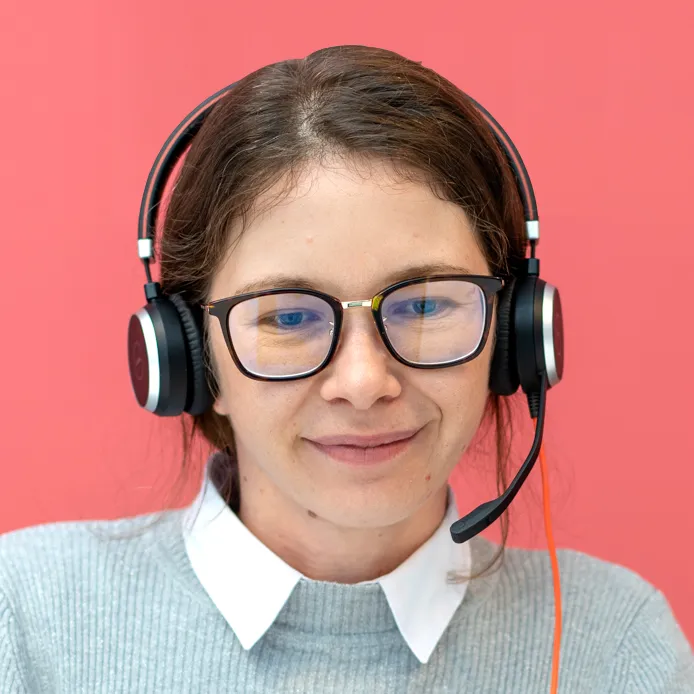
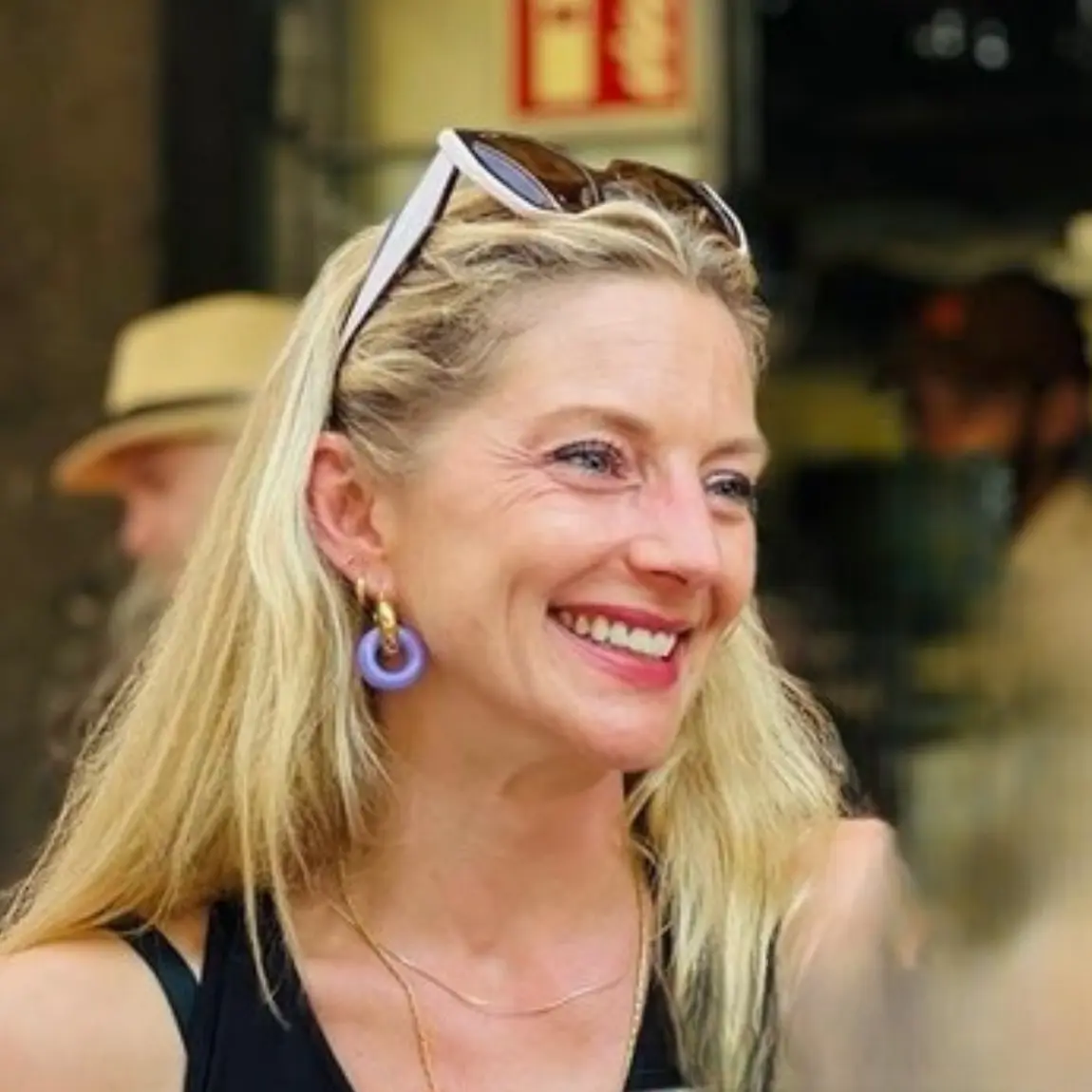
Elena remembers her first encounter with Croatian at age twelve, standing in what felt like another world. “It was completely foreign to me,” she recalls. Having grown up with Romance languages and Latin as her first foreign language at grammar school, the Slavic sounds seemed impenetrable. She couldn’t derive anything from her linguistic background – everything felt utterly different. But what seemed impossible then has become a bridge to the life she’s building now.
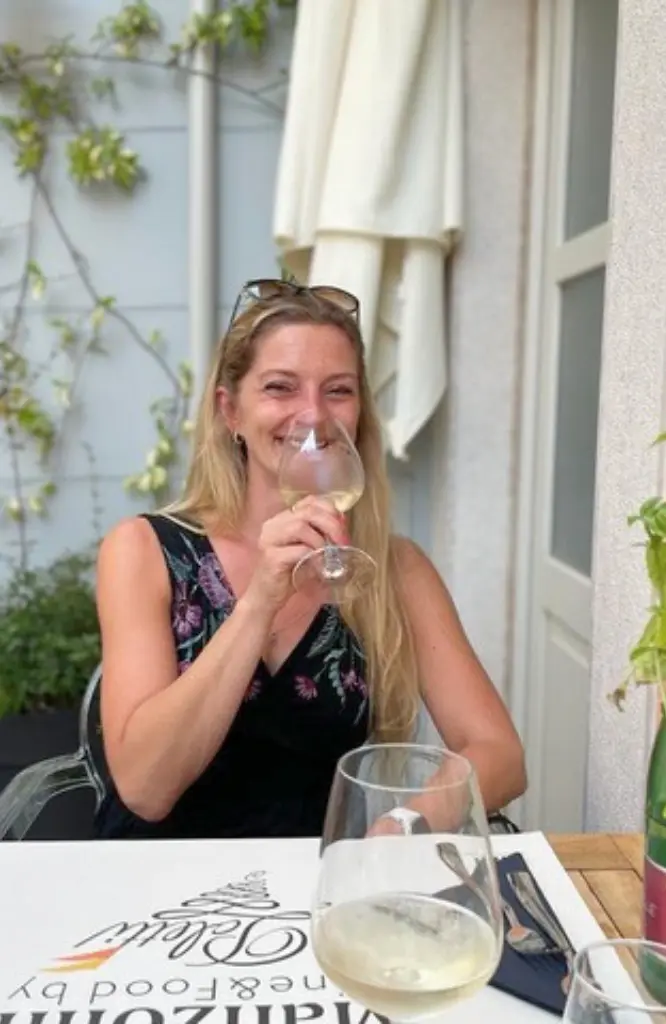
“I’m always happier when they speak in their native language, because then I can celebrate when I understand individual sentences or words.”
Her partner, whom she’s known since school, comes from a small village in Bosnia. While they lost touch for two decades, reconnecting meant entering a world where his roots matter deeply. His family and friends speak limited German or English, particularly in his home village. “I was completely lost there,” Elena says. Learning Croatian became not just a romantic gesture but a practical necessity – a way to understand conversations between loved ones and navigate daily life when visiting the region.
From tourist to student
Elena’s relationship with Croatia extends beyond her partner’s family connections. Her first visit to the Croatian coast came in the mid-1990s, not long after the war, when tourism hadn’t yet transformed the region. Those annual family holidays created a lasting affection for the area. Now she and her partner gravitate towards Istria, particularly Opatija and northern Croatia, where his family connections run deep. The landscapes of Italy, Croatia and Bosnia remain her favourite European destinations, even after travels to more distant places like New Zealand and Morocco.
After nine months of study, Elena has completed her A1 level and experienced her first real breakthrough. During a holiday in Croatia six weeks ago, she listened to her partner chatting with a waiter and suddenly understood the grammatical patterns she’d been struggling with – the locative, genitive and accusative cases, the complex system of word endings. “It clicked,” she says. She tries to order in Croatian now, though waiters often respond in English when they detect her accent. Her partner steps in when questions become too complex, but each attempt builds her confidence.
Making space for learning
Working as a dentist means long days of intense concentration, so Elena has developed a rhythm that makes room for Croatian. Sport provides her main release – running outdoors for an hour to clear her head, or home workouts with resistance bands, yoga and Pilates. The physical routine helps counter the occupational strain on her neck and shoulders. Within this structured life, Croatian lessons offer something refreshingly different from her formal education background.
“Mistakes aren’t something negative or bad – they’re actually really good because that’s how you learn, how you move forward.”
The relaxed atmosphere with her teachers stands in marked contrast to the rigid academic environments she remembers from grammar school and university. “If I make a mistake, it’s a mistake, and we might even laugh about it together,” Elena explains. She appreciates being able to shape the pace of lessons, asking to slow down or revisit difficult concepts without judgment. The collaborative approach feels more like a conversation between friends than the authoritarian “you got this task wrong” style she associates with traditional schooling.
Tools and techniques
The course textbook has become Elena’s trusted companion, with its visual approach and carefully structured content. She responds well to the images and appreciates how the difficulty level builds gradually, with constant repetition reinforcing earlier material. Her teacher Luna provided additional resources – short stories by Ana Bilić that Elena reads a few chapters of each evening. These accessible narratives help her maintain daily contact with the language outside formal lesson time.
When tackling her biggest challenge – the infamous word endings that change depending on grammatical case – Elena reverts to schoolgirl techniques. She writes everything out repeatedly, colour-coding and highlighting until the patterns become visible. “Like kindergarten or primary school,” she laughs. Her partner helps too, though he can’t explain the grammatical rules. Instead, they practice simple sentences together until the correct forms start feeling automatic. Sometimes she doesn’t know why a particular ending sounds right – it just does.
Practise Croatian for free
Use our interactive study tool to improve your Croatian with vocabulary quizzes, grammar exercises, and progress tracking. Pick a topic, start a quiz, and see how your skills grow over time.
Try the study tool
A language coming full circle
Elena recently took over a dental practice from a Croatian colleague, bringing her language learning into unexpected professional territory. While her previous position as an associate dentist involved few Croatian-speaking patients, her new practice serves a substantial patient base from the Balkans. She’s keeping one Croatian-speaking staff member who can provide backup when needed. Even basic phrases – a greeting, asking how someone is – help patients feel more at ease in the dental chair.
“Just have fun with it. It’s fun. Without fun, you might finish A1 and then stop.”
The consonant clusters that seemed impossible at first have become manageable through consistent practice. Reading texts aloud during lessons has, as Elena puts it, “unknotted her tongue.” Her advice to new learners reflects this hard-won progress: it gets easier, and you should enjoy the process. After nine months of study, she’s reached the point where the language no longer feels entirely foreign. Instead, it’s becoming part of the fabric of her life – woven through family gatherings, holidays, professional practice, and the everyday conversations that matter most.
Teacher and student stories
Discover inspiring language journeys and see how others are learning and teaching Croatian.
Caroline | Student
A Bavarian events manager discovers the joy of connecting with her Croatian in-laws through language learning and family traditions.

Nikolina | Teacher
From tennis courts to dog training to Zagreb classrooms, Nikolina’s winding path led her to discover her true passion for teaching Croatian.
Sarah | Student
Sarah is reclaiming the Croatian she spoke as a child, transforming fragmented memories into structured fluency for her young son.