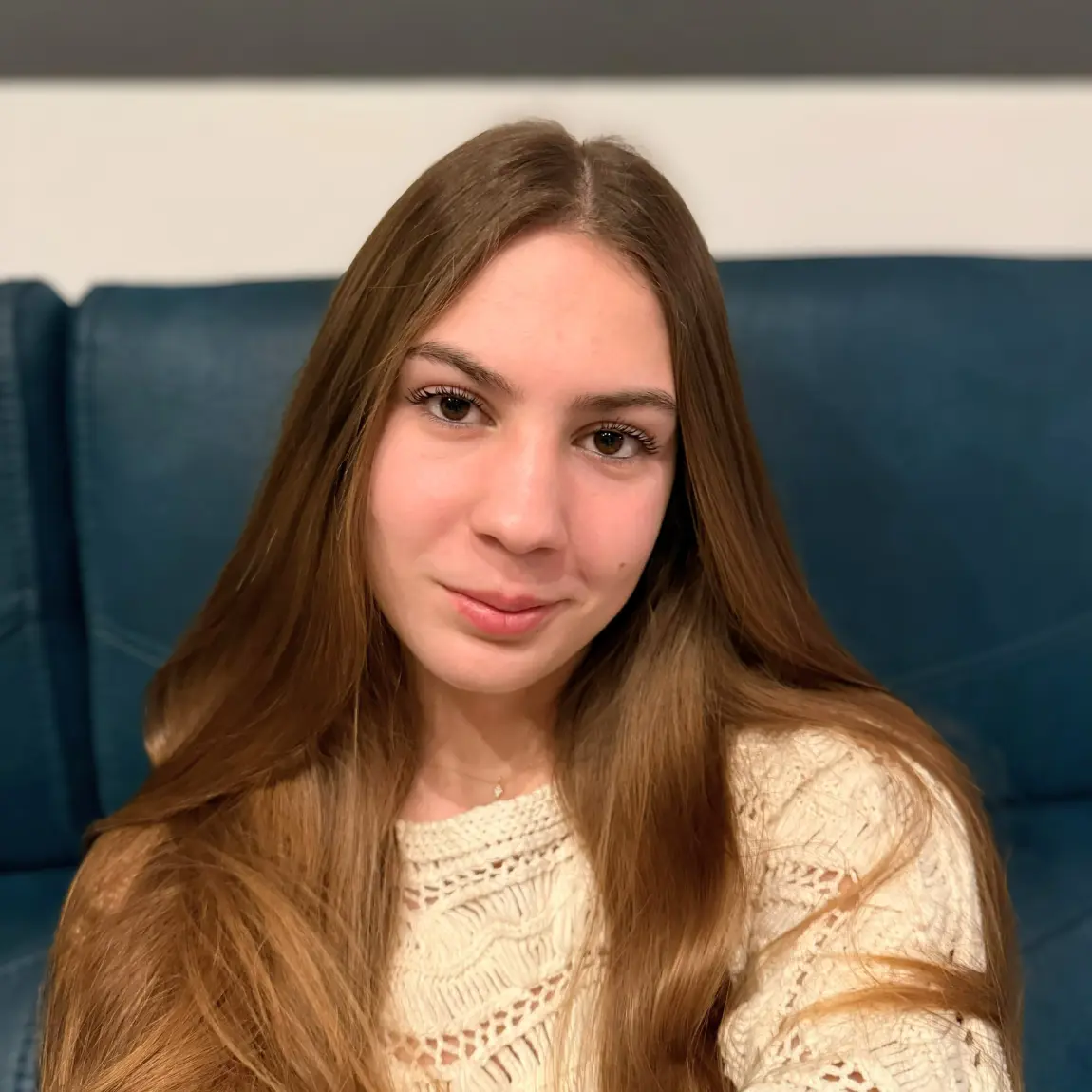
A childhood shaped by languages and tourism
Magdalena’s path to teaching began in the family apartments in Vrsari, a small coastal town near Poreč and Rovinj that many German-speaking tourists know well. Her parents, originally from Bosnia, had spent years in Germany where her older siblings were born. When the family settled in Istria and bought a property with tourist apartments, six-year-old Magdalena’s sister became an unexpected German teacher through hours of watching cartoons together.
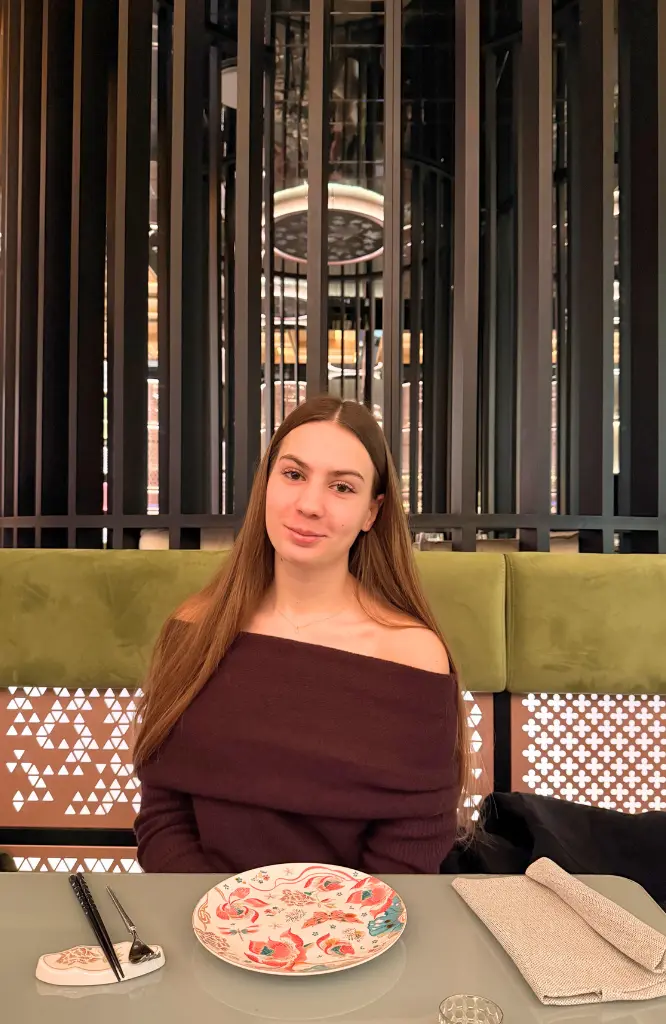
“I couldn’t imagine how difficult Croatian was until I started teaching it”
But it wasn’t just television that shaped her language skills. Every summer brought German-speaking families with children, and Magdalena spent her days playing with them by the sea, her German improving naturally through beach games and conversations. By the time formal German lessons began in fourth grade, she already spoke the language – school simply helped her master the grammar and writing. This organic, immersive approach to language learning would later influence her own teaching philosophy.
Between music and economics: finding direction
For six years, Magdalena attended music school, singing in choirs and performing solo pieces at Advent concerts in Poreč and at school events. Vrsari’s annual singing festival became a regular fixture, where children competed and she discovered the joy of performance. Piano lessons filled her afternoons – from classical sonatas to Adele songs that she’d play while her friend sang along.
These artistic pursuits seemed destined to fade when she chose Economics at the University of Rijeka, but they revealed something important about her character. Whether learning scales or declensions, Magdalena approaches challenges systematically. She’d originally hoped to study psychology or speech therapy – fields notoriously difficult to enter in Croatia – but adapted when those doors closed. Now living in her student flat in Rijeka without access to her family’s piano, she channels that creative energy elsewhere, though she hopes to return to music when life allows more time.
The accidental teacher discovers her calling
The spark came during gymnasium, when students and teachers swapped roles for a day each year. While others chose comfortable subjects, Magdalena volunteered to teach German to complete beginners. She spent hours preparing materials, combining resources from her teacher with her own ideas, determined to make the language accessible to classmates who couldn’t speak a single German word.
“I find it so rewarding when I see, after working with my students for a while, that they can really speak now”
That experience planted a seed. She’d think occasionally about studying German formally at university, but it always felt like something she could pursue later through courses. Then, during her second year at Economics, she searched online for student work she could do from home. The Let’s Learn Croatian listing appeared, and something clicked. Here was a way to combine her natural gift for languages with her love of helping others understand difficult concepts – and she could do it from her Rijeka flat or from home in Vrsari.
Teaching through discovery, not just answers
Magdalena’s teaching style centres on student independence and discovery. She follows the textbook structure but remains flexible, always open to requests for revision or different approaches. When students ask what a word means, she rarely provides direct translations. Instead, she’ll explain concepts in Croatian, guiding them toward understanding rather than simply handing them answers. If a student asks about voziti, she might mime driving or describe seeing a car – anything to help them reach the meaning themselves.
This method requires patience, though occasionally she encounters words that defy creative explanation and must resort to simple translation. But she believes firmly that students retain far more when they work things out independently. She also insists on constant revision – even phrases they’ve seen dozens of times get translated again by different students each lesson, reinforcing the vocabulary through repetition and active recall. It’s not about making learning easy, but about making it stick.
Already know some Croatian?
Take our free placement test and find your current level in just a few minutes. It’s fun, fast, and helps you understand exactly where you are – and what the next step in your learning journey might be.
Take the free test
Pride, progress, and mutual learning
One of those teaching moments that makes everything worthwhile came when Magdalena’s A2 group – students she’d guided through multiple levels – reached B1-1 for the first time. She stopped mid-lesson, genuinely amazed at how well they could speak. Croatian’s seven cases, numerous exceptions, and complex grammar suddenly seemed manageable in their conversations. She told them honestly: “I’m impressed. You speak so well.”
“I’m proud of them and a bit proud of myself too, because I helped them get there”
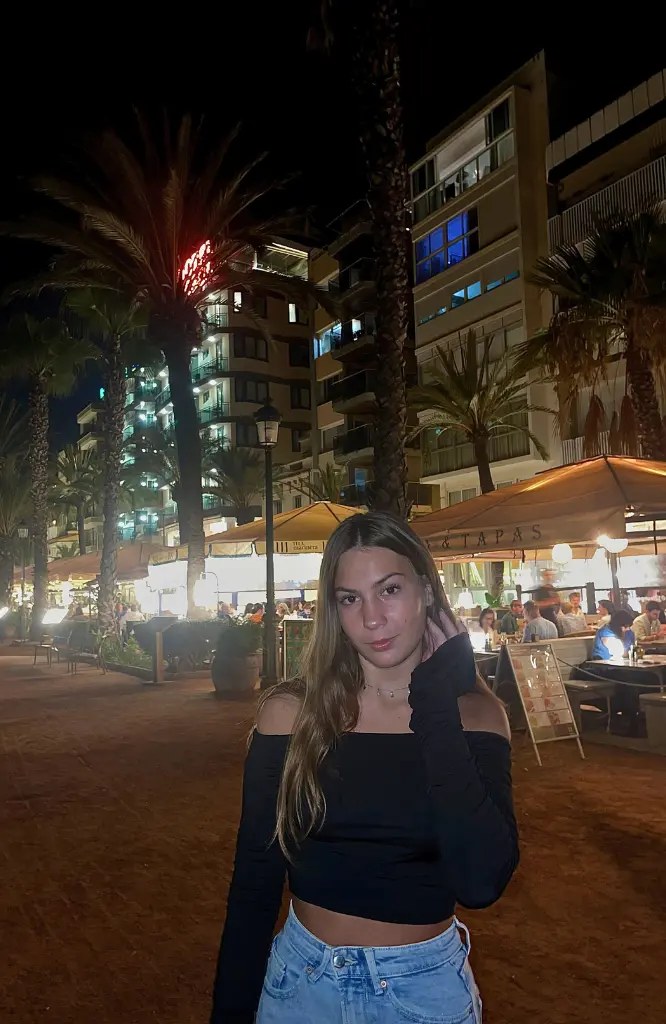
The students, characteristically modest, protested that B1-1 would be challenging. But this particular group has something special – they grasp new concepts after just one exercise, adapting quickly to new grammatical structures. What surprises Magdalena most is how much she learns from them too. She’s not an encyclopaedia of every German word, and sometimes when she has a mental block while explaining something, her students help bridge the gap. They’ll understand what she’s trying to convey and provide the German term she couldn’t recall. These moments of mutual learning, where the traditional teacher-student dynamic dissolves into collaborative problem-solving, capture everything she loves about teaching. From her student flat in Rijeka, with her boyfriend’s encouragement before each lesson and her family’s steady support behind everything, she’s found her unexpected calling.
Teacher and student stories
Discover inspiring language journeys and see how others are learning and teaching Croatian.

Lisa Marie | Student
Lisa Marie learns Croatian to connect with her heritage, communicate during holidays, and honour her brother’s memory.
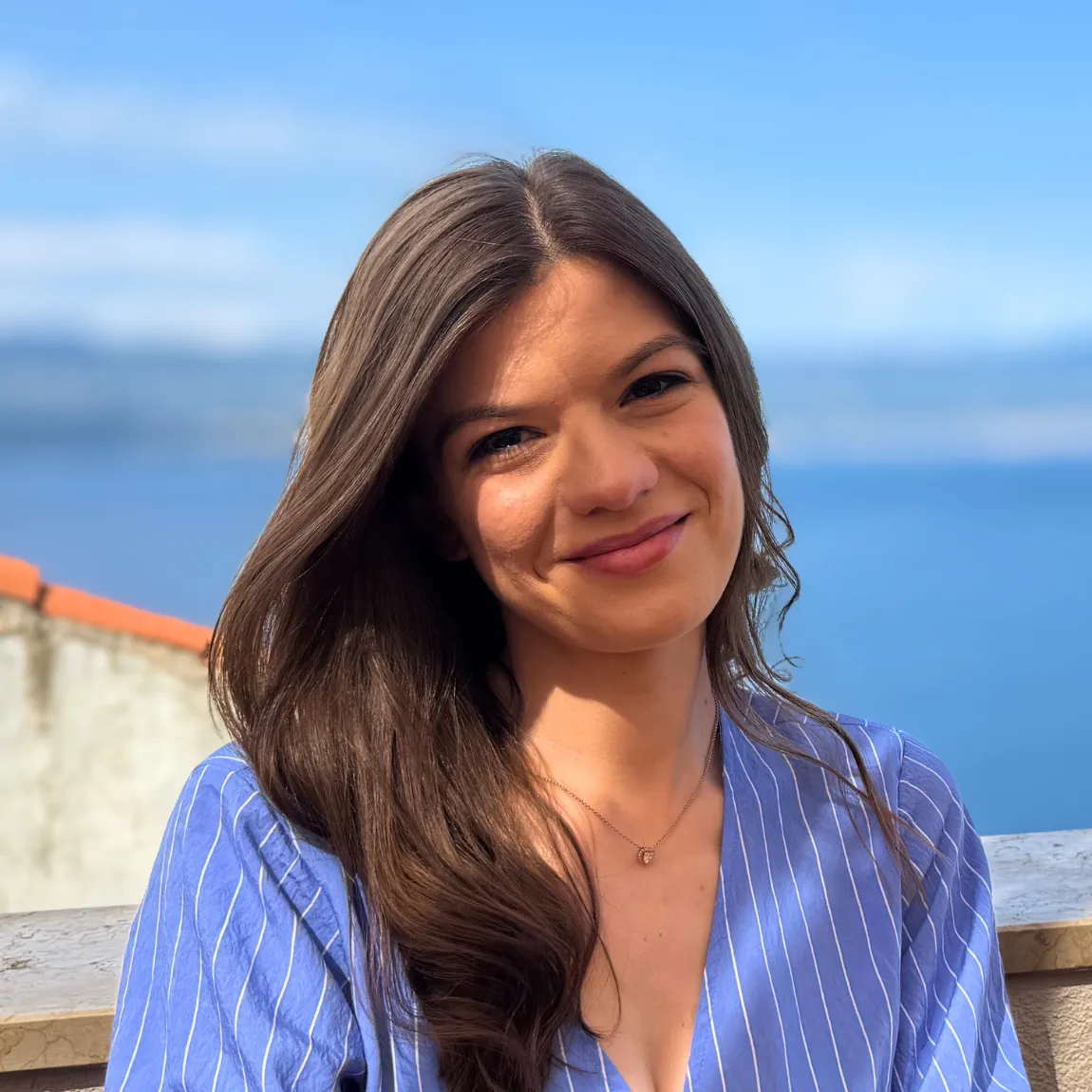
Martina | Teacher
Discover how Martina transforms Croatian lessons through her love of grammar and genuine connection with students.
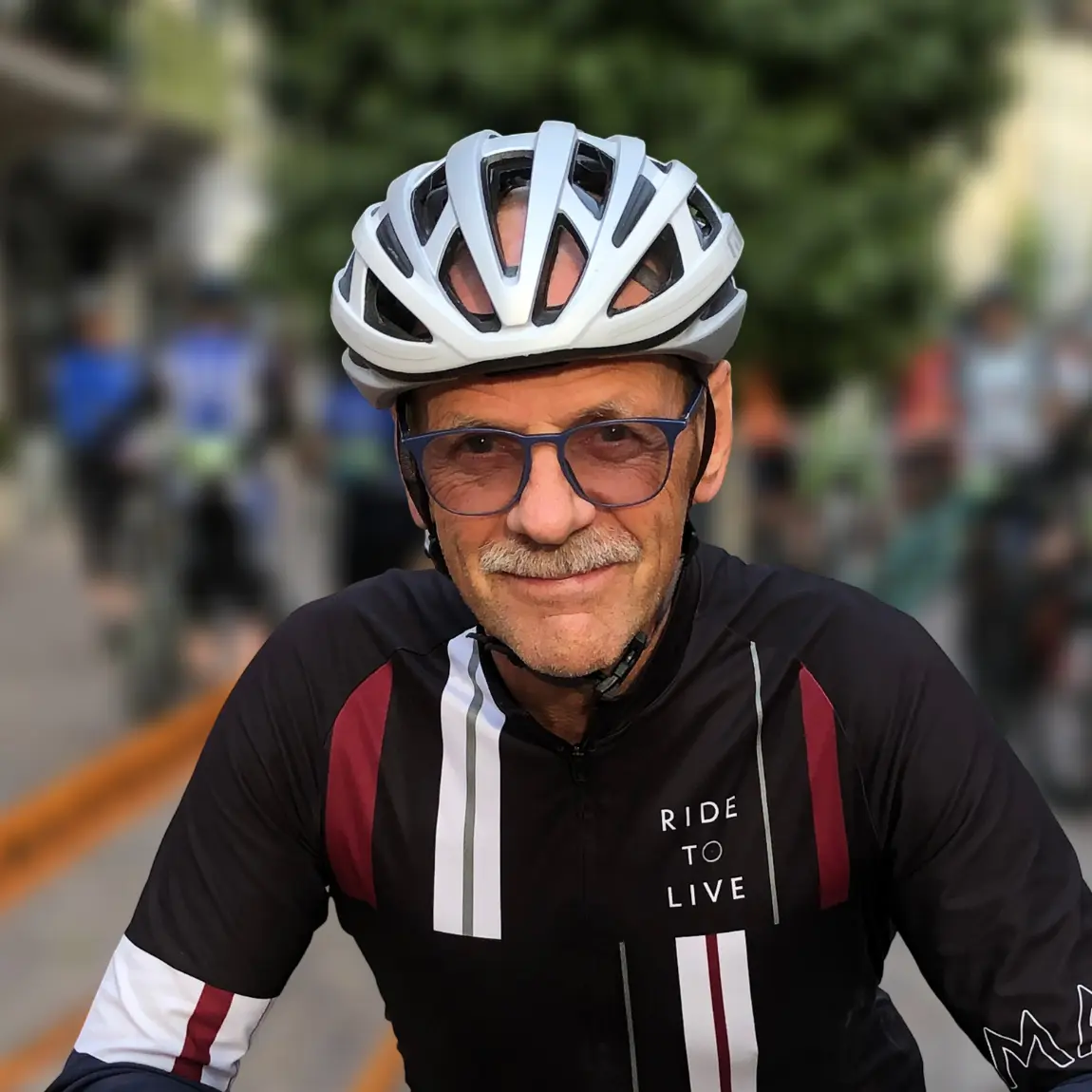
Johann | Student
A retired Austrian dentist discovers Croatian through literature and a colleague, finding structure and challenge in his 70s.