A lifelong mover who found a new kind of challenge
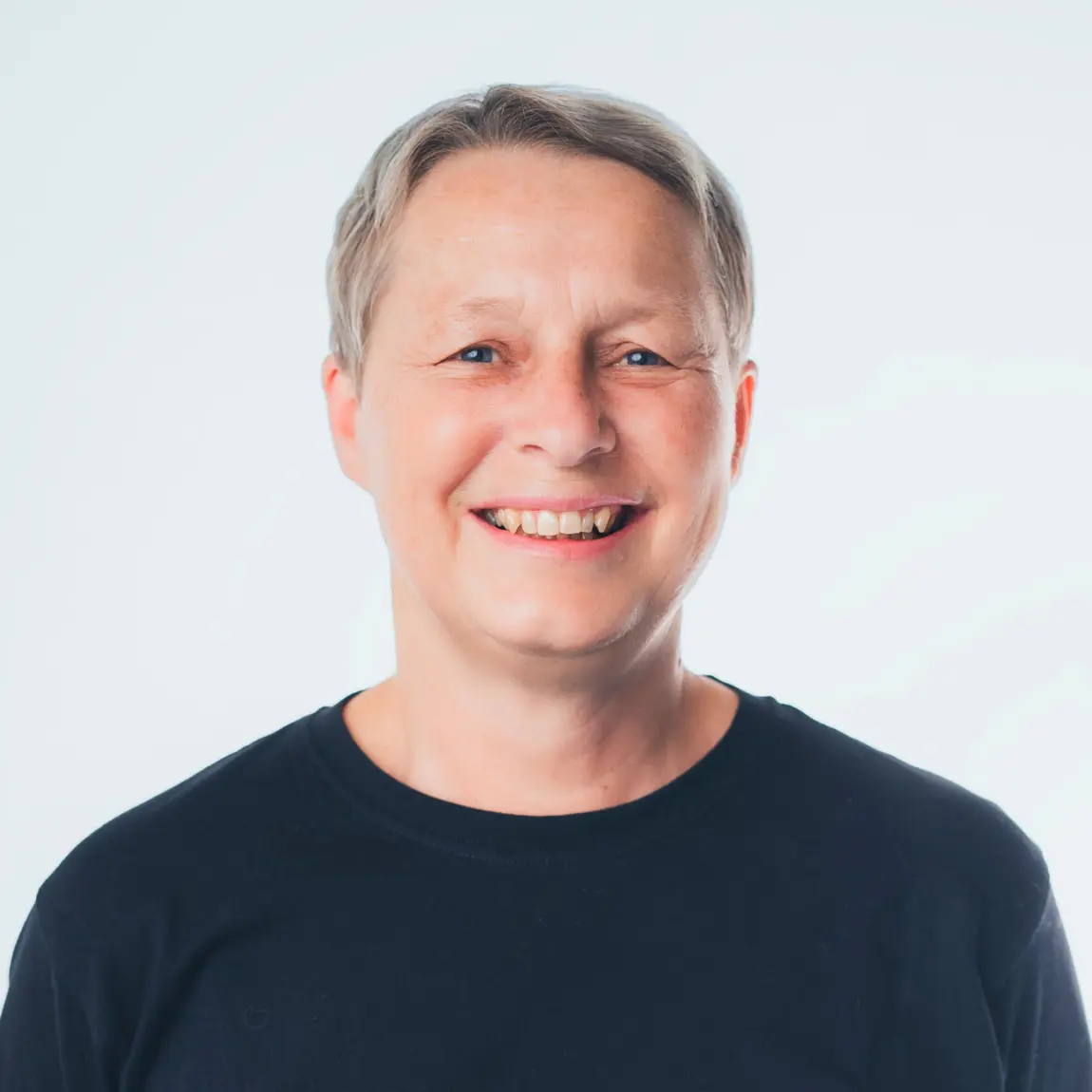
Andrea has lived in Vienna her entire 62 years, and for most of that time she has kept herself in motion. She spent her younger years as a competitive athlete – running 100 metres and competing in long jump – and that same energy has carried through into her work as a youth sports coach and club organiser. The sport she coaches is floorball, a fast-paced indoor game played with a stick and a small ball, similar in rhythm to ice hockey but accessible to children of all ages. She visits schools regularly to introduce the game, and she finds real satisfaction in watching children take to something unfamiliar.
“You feel closer to the region when you speak the language.”
Outside the sports hall, she hikes, cycles, and reads – particularly Nordic crime fiction, a genre she fell into partly because she once learned Swedish. “I’ve read so many Swedish crime novels,” she says, almost amused by it. Travel has also been a constant, though she admits she rarely has as much time for it as she would like. Lisbon once felt like a city she could imagine living in – something about the pace and the light – but Istria has, over the years, taken a different kind of hold.
A house in Istria and a reason to learn
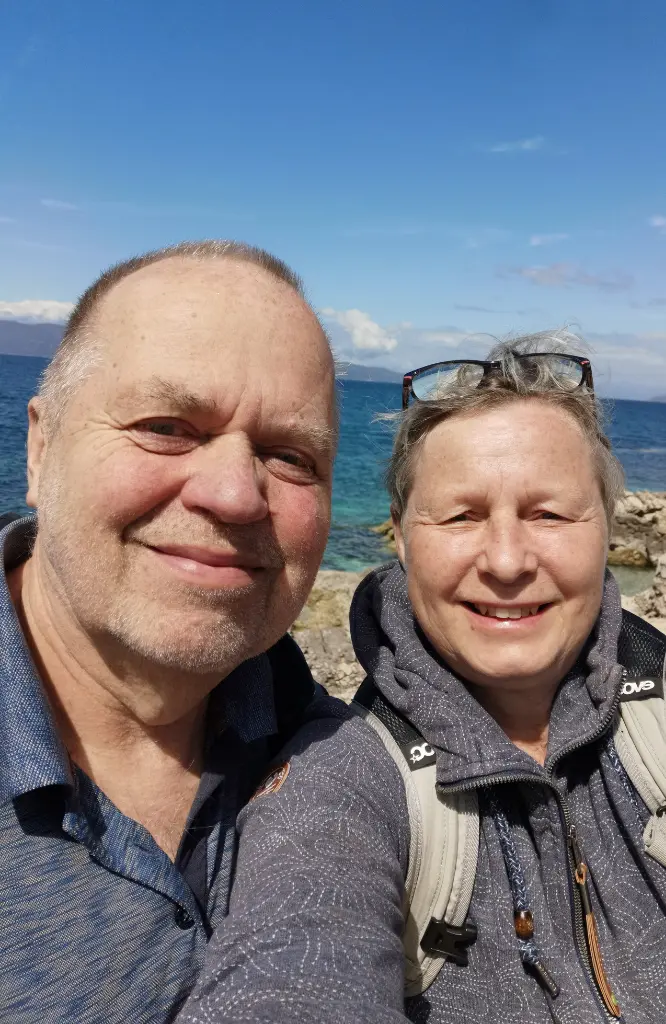
Andrea’s connection to Croatia goes back to childhood holidays, but it was only when she and her partner began building a house in Drenje, near the small town of Labin in Istria, that she started thinking seriously about the language. That was around six or seven years ago. A friend who was involved in the building project had already enrolled in a Croatian course, and his enthusiasm prompted her to do the same.
She started at a local adult education centre in Vienna and found it pleasant enough, though the group gradually dwindled until it was no longer viable. She carried on for a while with the teacher from that course before deciding she wanted something more structured: a proper textbook, grammar tables she could return to, a clear thread to follow. That preference for organisation has shaped the way she approaches all her language learning, and Croatian has been no exception.
Building on a life of languages
This is not Andrea’s first experience with learning a language as an adult. She studied Spanish and Portuguese alongside English, then taught herself Swedish well enough to read crime fiction in the original. Her mother, she recalls with some amusement, always believed her to be completely without talent for languages – a view that the evidence has not supported. What she has found across all these languages is that having learned one makes the next one slightly more approachable, even when the actual vocabulary and grammar are entirely different.
“Patience is the most important thing. You build slowly, and suddenly you stop thinking – it just comes.”
Croatian, she is quick to point out, is genuinely difficult. The words are unfamiliar in a way that Spanish or Swedish never were, and keeping everything in her head has become harder with age – or so she feels. But she also recognises something useful in the challenge: she has a framework for how languages work, a patience for grammar tables, and an understanding that progress is cumulative rather than sudden.
Progress that feels like thinking less
When asked about breakthrough moments, Andrea is honest: there has been no single turning point. Learning Croatian has felt more like a slow accumulation than a sudden shift. What she notices, instead, are the quieter signs – the moments when a sentence forms without her having to work through every grammatical step, when she reads a short text and understands most of it without reaching for a dictionary, when she follows a conversation in Croatian overheard on a Vienna bus and realises she has understood it.
She has been learning for around three years now, with regular lessons but less practice between sessions than she would like. She uses an app for supplementary exercises and appreciates when her teacher provides additional reference materials – a table of adjective endings, a summary of clock time, a list tailored to something she has been struggling with. The combination of structure and flexibility suits her. What keeps her going, week to week, is that she genuinely looks forward to her lessons – not as an obligation but as something she enjoys, a fixed point in a busy schedule.
Already know some Croatian?
Take our free placement test and find your current level in just a few minutes. It’s fun, fast, and helps you understand exactly where you are – and what the next step in your learning journey might be.
Take the free test
A language that opens doors in Istria and beyond
The practical value of Andrea’s Croatian extends further than she originally anticipated. When she speaks with local craftspeople in Drenje, she notices the shift it creates – a sense that she is not simply a foreign property owner passing through, but someone making a genuine effort to meet people where they are. She describes it as a sign of respect, and the response she receives seems to confirm that it reads that way.
“The language and the country belong together.”
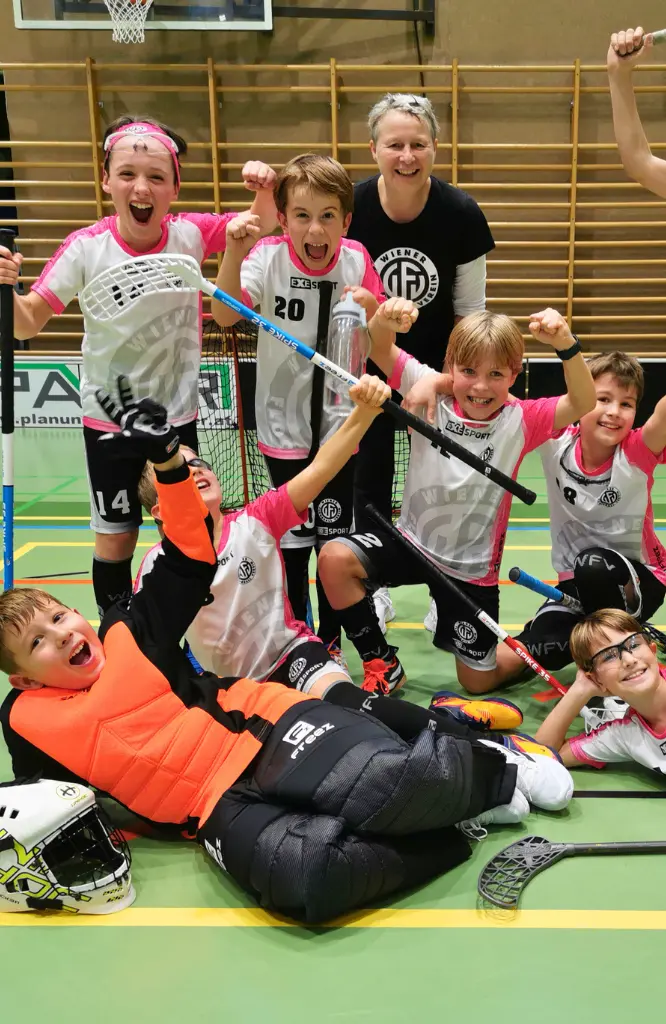
There is also a possible connection to her sporting life. A floorball club in the north of Zagreb has been on her radar, and she imagines that if contact develops – an invitation to a tournament in Vienna, or a trip to Croatia – being able to communicate in Croatian would make the exchange warmer and more equal. For Andrea, the language and the place have become inseparable. Her advice to anyone starting out is simple: be patient, keep going, and spend time in the country itself. The language and the culture, she says, belong together.
Teacher and student stories
Discover inspiring language journeys and see how others are learning and teaching Croatian.
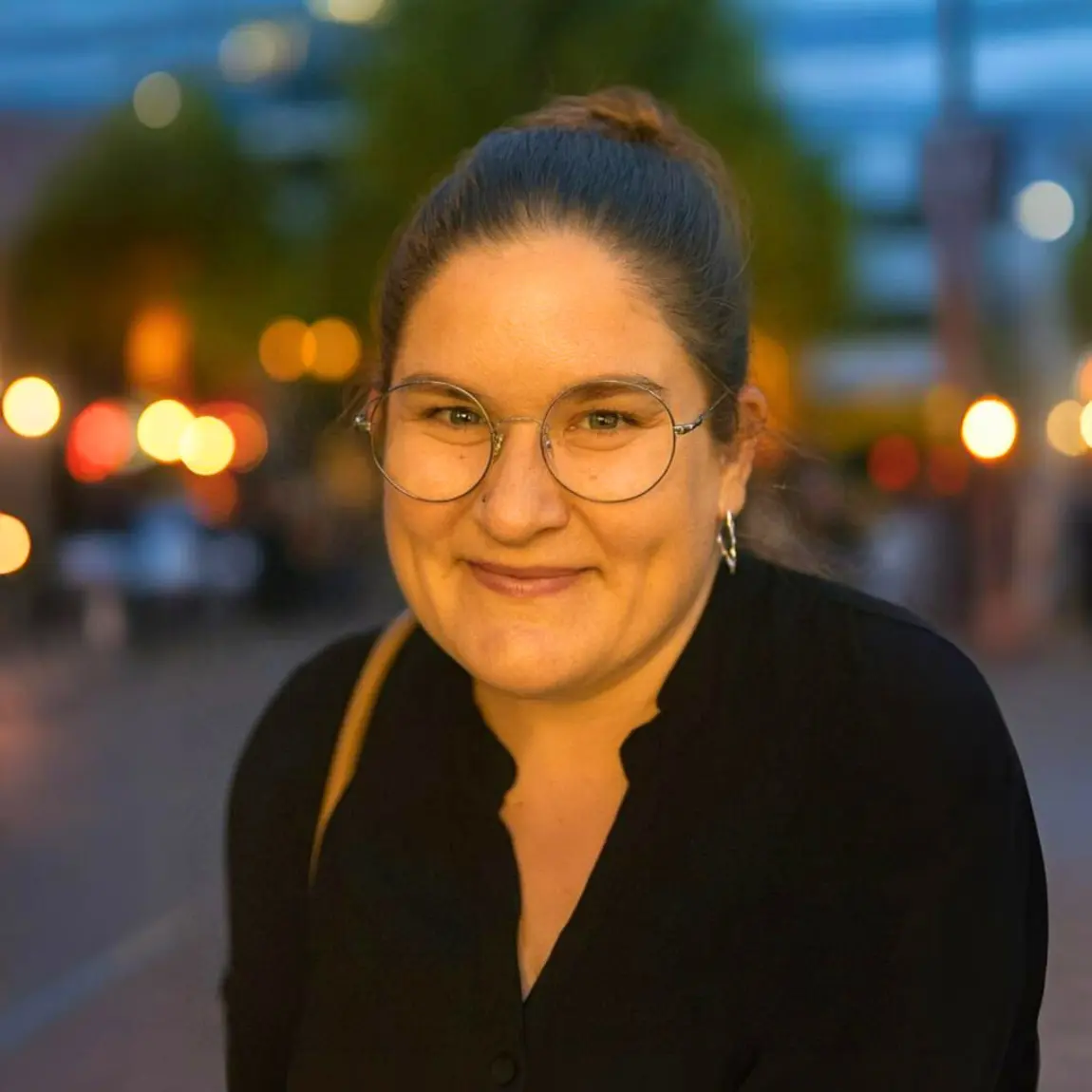
Tanja | Student
A journalist who films the world for a living, Tanja has spent a decade learning the language that her family never quite passed on.
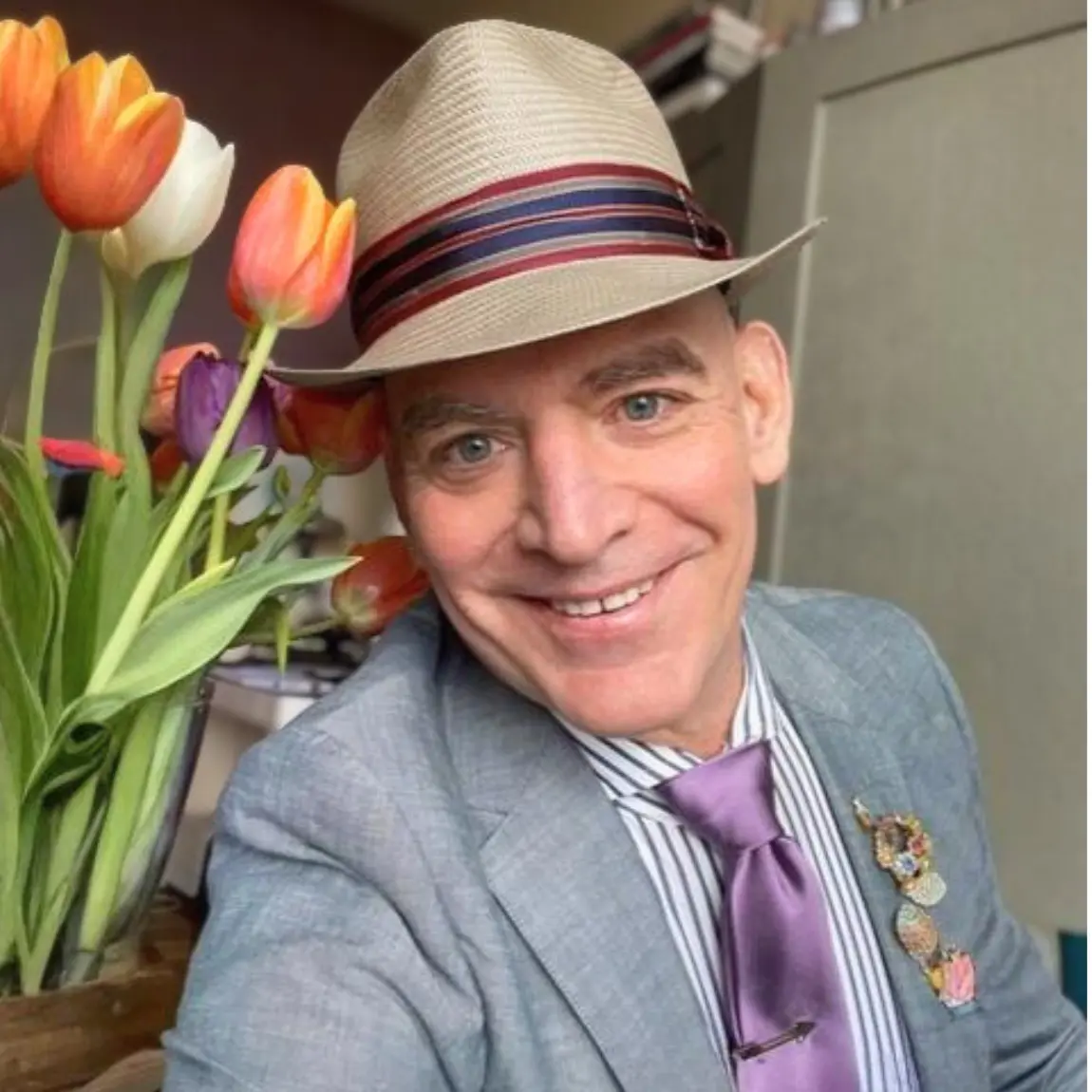
Stan | Student
After 25 years of visits and a repertoire limited to Croatian curse words, this New York journalist finally tackled the language properly.
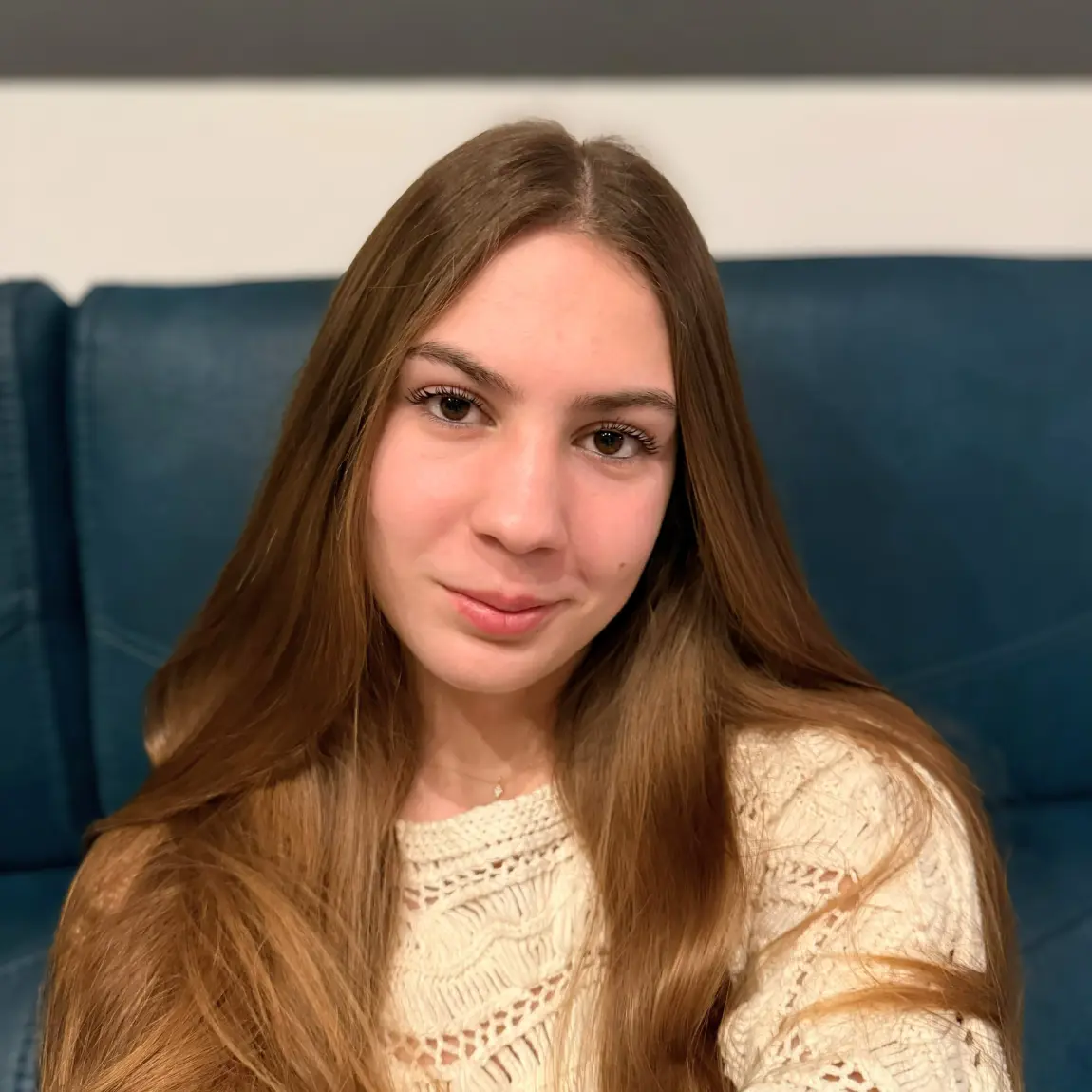
Magdalena | Teacher
An Economics student from Vrsari who learned languages through cartoons and tourism finds her calling teaching Croatian from her Rijeka flat